
Last updated September 25, 2026
Non-destructive entry first, always - and we re-key Schlage, Kwikset, and Baldwin locks on the spot while you watch
You get a price before we start. It does not change when we arrive. No surprises.
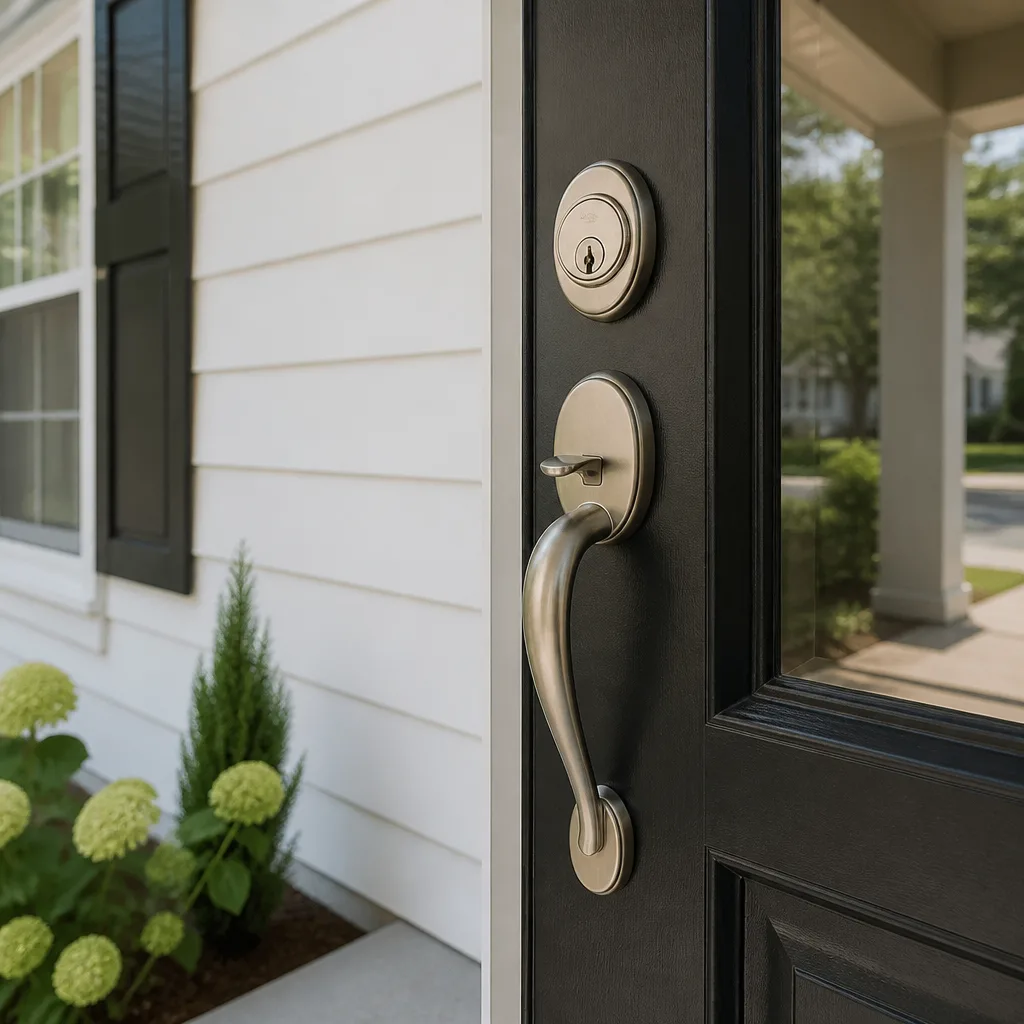
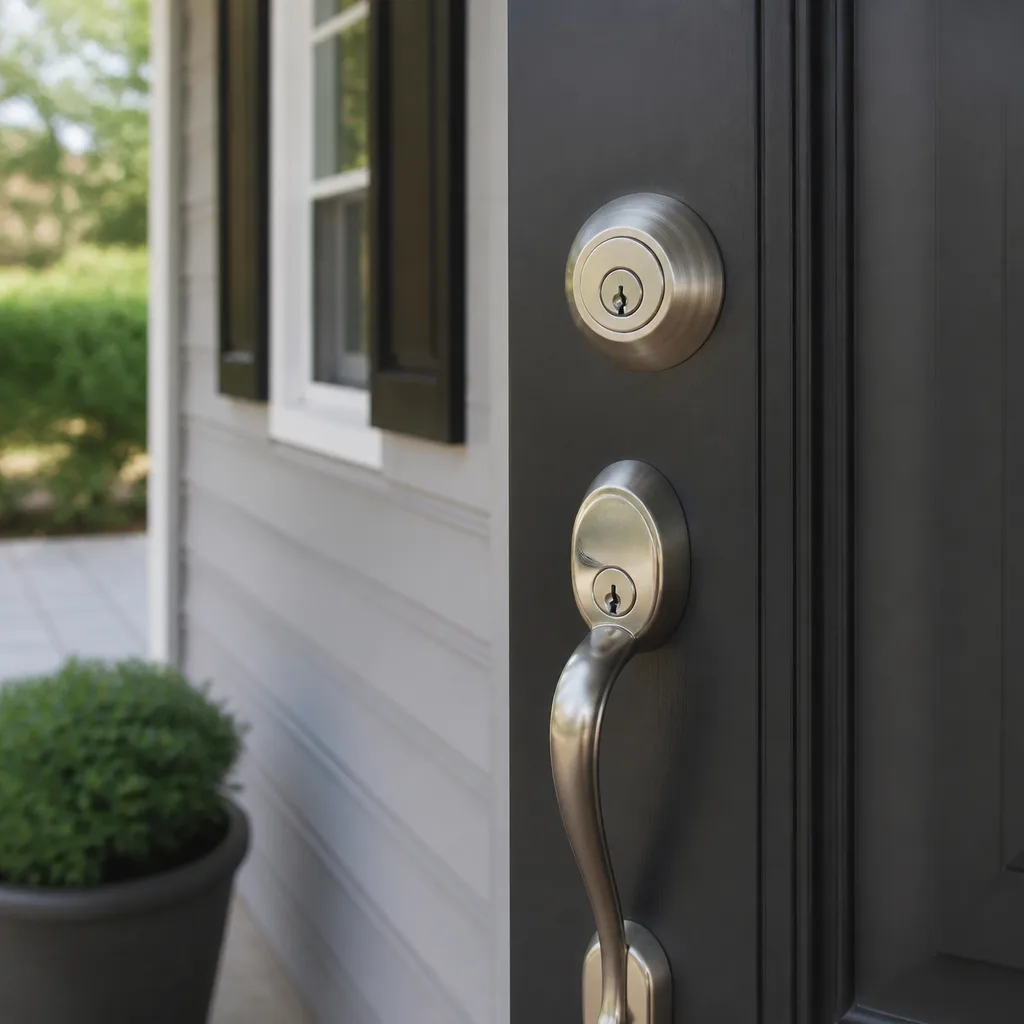
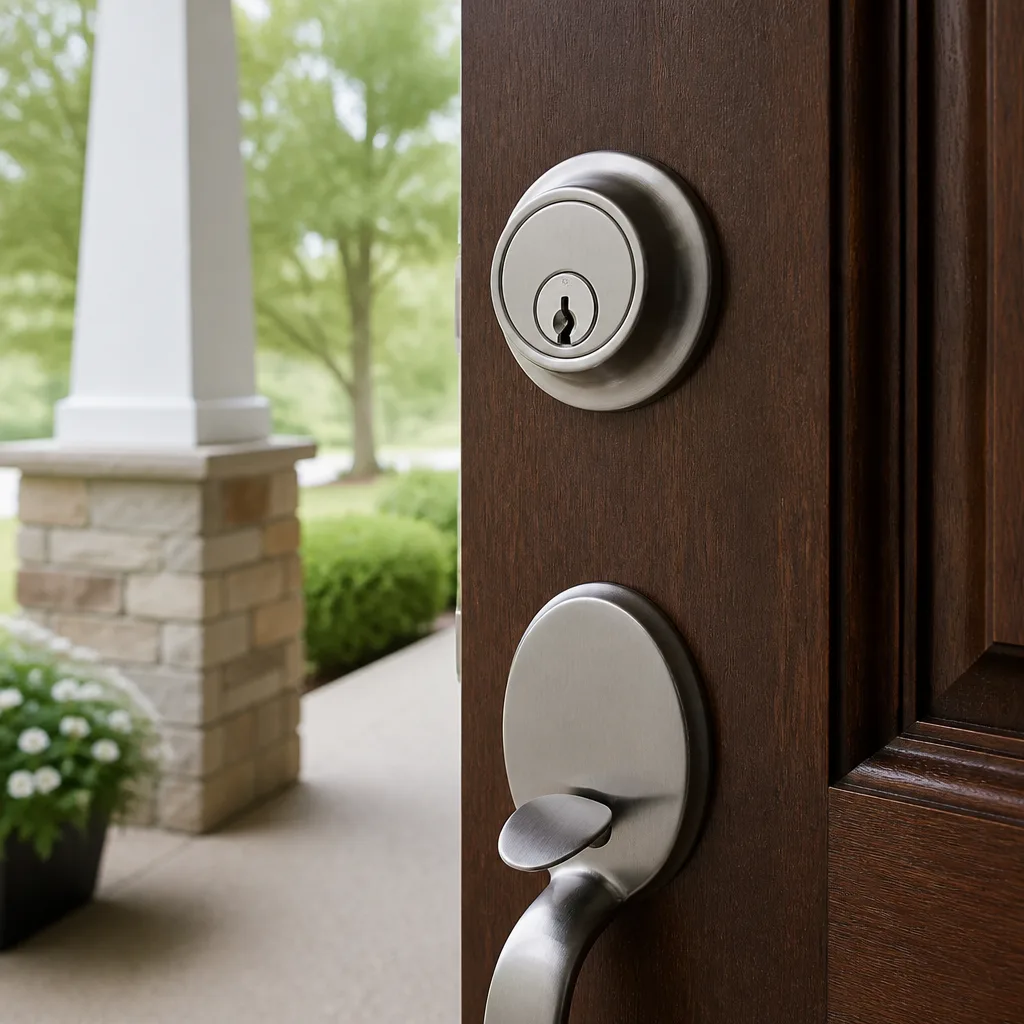
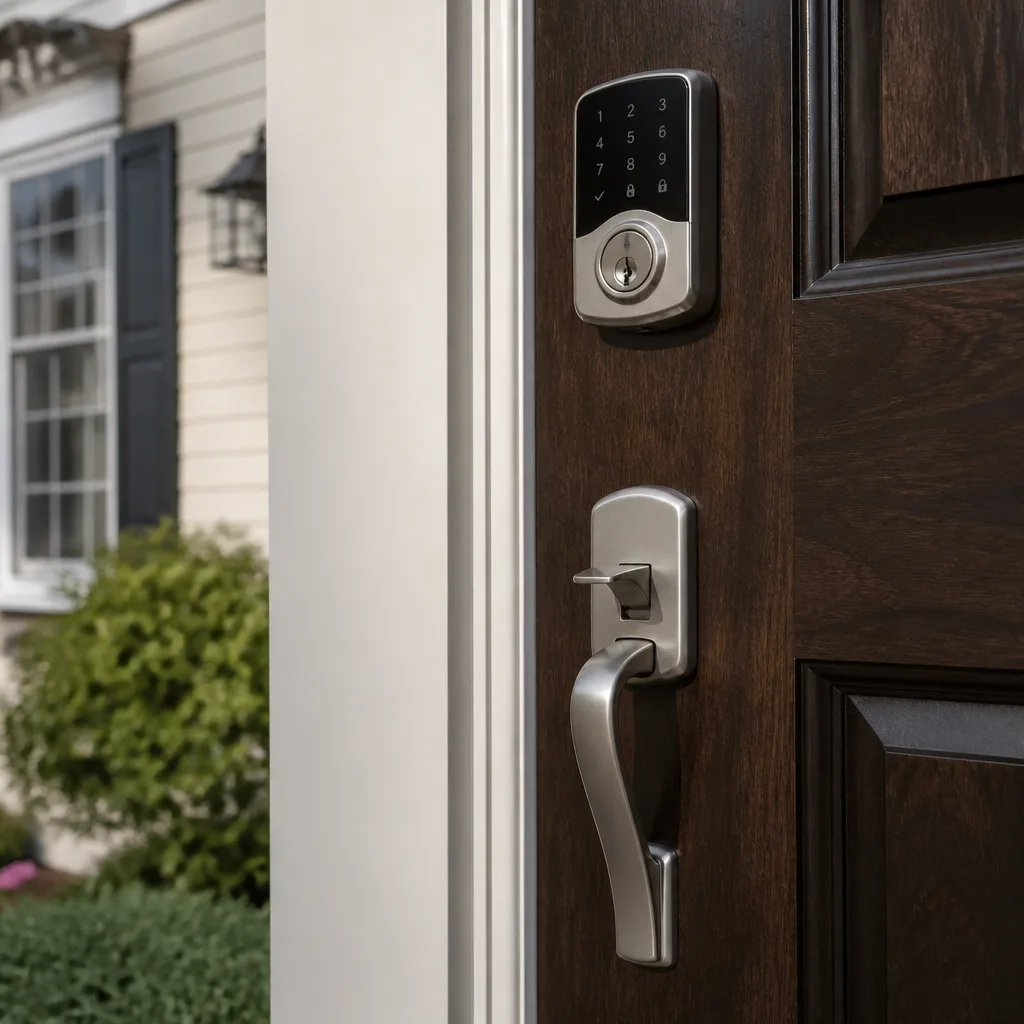
DIY vs Professional Locksmith: The San Jose Homeowner’s Decision Guide
Rekeying a Kwikset SmartKey takes four minutes and a YouTube video - and it is also the task that most often produces a cylinder that works perfectly for six months, then fails completely at 1 a.m. because the reset wasn’t fully seated. In San Jose, where a lockout at midnight runs $180-$340 and same-day service is available but not instant, that “simple” DIY job can convert a $20 fix into an emergency invoice. This guide draws the line at specific tasks, not at a general skill threshold, so a capable San Jose homeowner knows exactly where to stop and what failure modes to watch for when pressing ahead. For How to Hire a Locksmith Contractor in San Jose: A Step-by-Step Guide, see our companion resource.
Quick Answer
Most San Jose homeowners can safely handle SmartKey rekeys, strike plate upgrades, and basic door reinforcement with standard tools. Professional work is non-negotiable for master key systems, high-security cylinders like Mul-T-Lock or Abloy, electrified hardware, and any rental property work governed by California habitability law. The hidden cost of DIY is not the hardware you break - it is the diagnostic time a professional spends identifying and undoing what was done incorrectly.
Table of Contents
- Where DIY Makes Sense: Three Tasks Worth Doing Yourself
- The Failure Modes We See After DIY Work
- Where Professional Work Is Non-Negotiable
- The Hidden Cost of a DIY Error
- San Jose Rental Housing Rules and Lock Work
- What to Document After Any DIY Lock Work
- The Real Tool Investment for Home Locksmithing
- Choosing a Professional When You Need One
Where DIY Makes Sense: Three Tasks Worth Doing Yourself
Not all lock work requires a trained technician. After 60,000+ locks installed or serviced since 2002, we’ve identified three categories where a methodical homeowner with basic tools can achieve reliable results.
1. Kwikset SmartKey Rekeying
The SmartKey system was designed for consumer rekeying. You insert the current key, press the reset tool into the slot, remove the old key, insert the new key, and rotate. The mechanism resets the wafers to match the new key’s bitting.
Where DIY goes wrong: the reset tool must be fully depressed until a slight click is felt. Partial depression seats the wafers incompletely. The cylinder operates normally at first, then fails when temperature or humidity shifts the metal slightly. In San Jose’s climate, where summer days hit 90°F and winter nights drop to 40°F, that thermal cycling accelerates the failure.
Cost comparison: SmartKey rekey kit, $12-$18. Professional rekey service, $25-$45 per cylinder. The DIY savings are real if the reset is done correctly. See our Locksmith Cost Breakdown: The San Jose Homeowner’s Reference for 2026 for full pricing context.
2. Deadbolt Strike Plate Upgrade
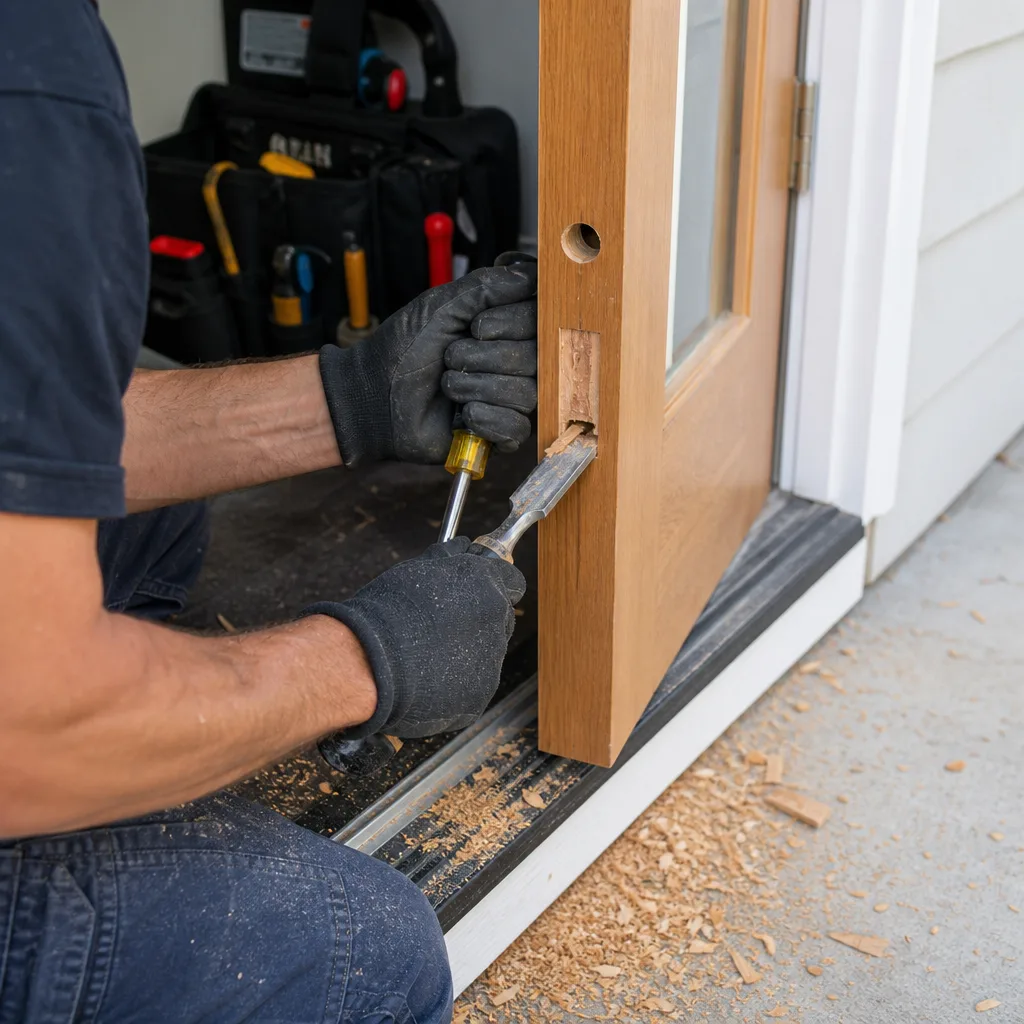
Most San Jose homes built between 1960 and 1990 have strike plates secured with 3/4-inch screws into the door jamb. Upgrading to a box strike with 3-inch screws that bite into the framing stud is straightforward work with a drill, chisel, and patience.
The security gain is measurable. A standard strike plate yields with roughly 50 foot-pounds of force. A box strike with long screws requires 200+ foot-pounds. For homes in San Jose’s older neighborhoods like Willow Glen, Rose Garden, or Naglee Park, where original hardware is common, this is often the highest-return security improvement available.
Failure mode to watch: the door jamb in older homes is often soft wood or has been repaired multiple times. If the 3-inch screws spin without biting, you’ve stripped the hole and need a longer screw with a wall anchor or a relocated strike plate - at which point a professional should assess the jamb integrity.
3. Door Reinforcement Hardware
Wrap-around plates, door edge guards, and hinge shields address the weak points that remain even after a good deadbolt is installed. These are bolt-on products with clear instructions.
The critical detail is measuring before ordering. Door thickness in San Jose varies: 1-3/8 inches for interior doors, 1-3/4 inches for exterior, with older homes in neighborhoods like Hanchett Park sometimes having non-standard dimensions. A wrap-around plate that doesn’t sit flush will bind the latch or deadbolt.
Our recommendation: buy from a supplier with a physical return policy, measure twice, and test-fit before fully tightening any hardware.
The Failure Modes We See After DIY Work
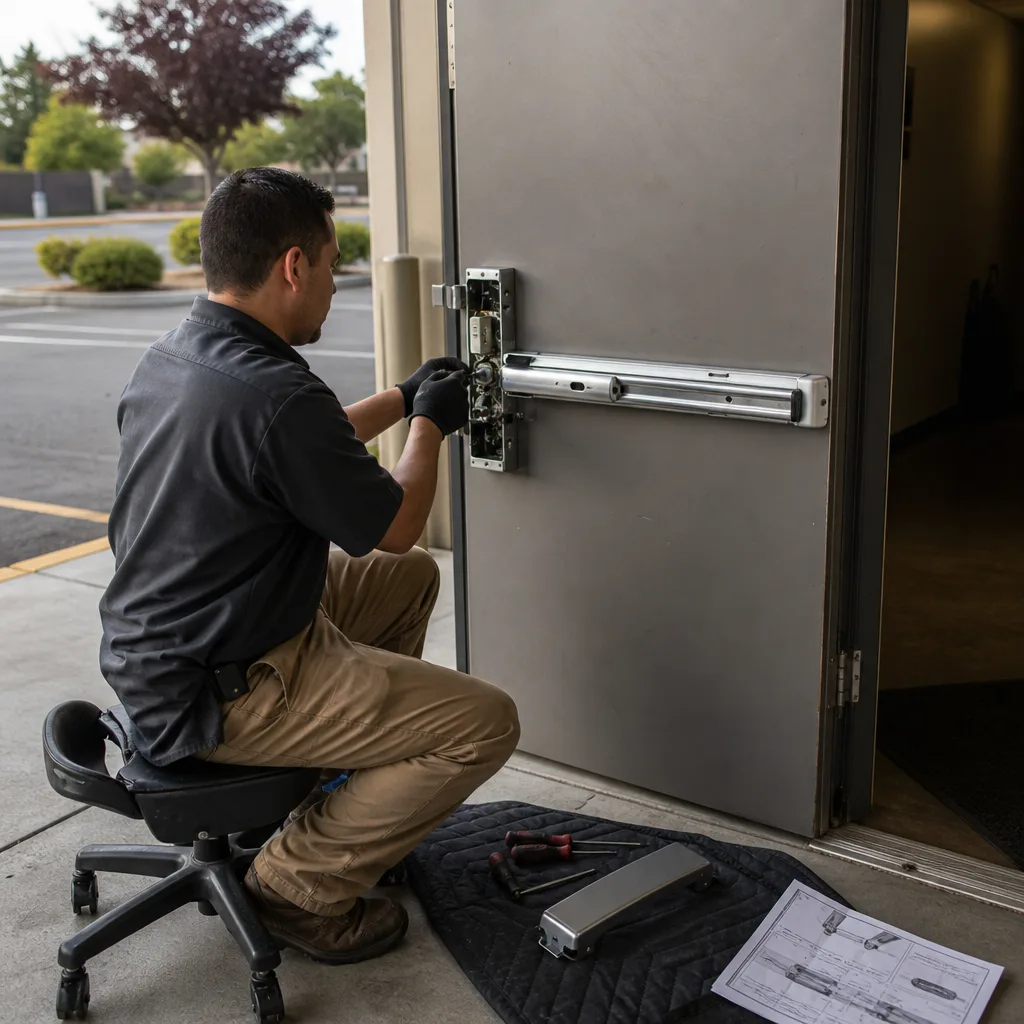
We document every job with a photo record, and we’ve built a file of recurring DIY errors. These are the patterns, not isolated incidents.
- Incomplete SmartKey reset. The cylinder works for weeks or months, then fails. The homeowner calls at 11 p.m. on a Saturday. We open the door, replace the cylinder, and note in the record that the wafers were partially seated. This is the most common DIY-related call we receive in San Jose.
- Over-torqued mounting screws. A homeowner installs a new deadbolt and drives the screws until the heads strip. The bolt mechanism is now loose in the door, causing binding. The fix requires extracting the stripped screws, which often damages the door face. A $40 deadbolt becomes a $200 door repair.
- Wrong backset measurement. The backset is the distance from the door edge to the center of the cylinder hole. Standard is 2-3/8 inches or 2-3/4 inches. A homeowner buys the wrong one, discovers the misalignment, and attempts to enlarge the hole with a paddle bit. The result is an oval hole that no standard deadbolt will seat in properly. We’ve replaced entire doors after this error.
- Lubricant selection. WD-40 or graphite on a modern pin-tumbler cylinder attracts dust and forms an abrasive paste. The correct lubricant for most residential locks is a dry Teflon spray or a light machine oil applied sparingly. We see cylinders gummed up with the wrong product, requiring disassembly and cleaning that costs more than the original service would have.
- Strike plate misalignment compensated with grinding. Rather than adjusting the strike plate position, a homeowner enlarges the strike opening with a file or Dremel. The bolt no longer engages fully, and the door can be forced with a screwdriver. This is a security downgrade, not an upgrade.
In our experience, the DIY jobs that fail are rarely the ones where the homeowner lacked skill. They are the ones where the homeowner lacked the diagnostic vocabulary to recognize that something was wrong before proceeding.
Where Professional Work Is Non-Negotiable
Some lock work carries risks that exceed the hardware cost: legal liability, security compromise, or physical danger. These are the lines we draw with customers who call for guidance.
Master Key Systems
A master key system uses pin stacks with multiple shear lines, allowing one key to open multiple locks while individual keys open only their designated locks. The math is unforgiving. A single pin placed at the wrong height creates a key that opens locks it shouldn’t, or a lock that opens with keys it shouldn’t accept.
We’ve been called to San Jose apartment buildings where a well-meaning property manager attempted a master key change, then discovered that the new tenant’s key also opened the utility closet and the neighboring unit. Rebuilding the system from scratch cost $4,200. The original professional rekey would have cost $380.
Commercial locksmith work in San Jose involving master keys should include a pinning chart, a key register, and a documented bitting list. These are not DIY tools.
High-Security Cylinder Installation
High-security cylinders - Medeco, Mul-T-Lock, Abloy - use proprietary keyways, hardened inserts, and pick-resistant mechanisms. The installation itself is not more complex than a standard deadbolt. The security value is entirely in the key control: restricted key blanks that cannot be duplicated without authorization, registered ownership cards, and factory-authorized service records.
A homeowner who installs a Mul-T-Lock cylinder purchased online has a lock that is physically identical to one installed by a factory-authorized technician. What they do not have is the key control system that makes it high-security. Any locksmith with a Mul-T-Lock blank can duplicate that key. The restricted keyway is only restricted if the installation is registered with the factory and the key blanks are controlled.
We are factory-authorized for Medeco, Mul-T-Lock, and Abloy. Every installation includes key registration, ownership documentation, and a written key control policy. Without these, you’ve paid for a premium lock and received standard security.
Electrified Hardware
Electric strikes, mag locks, and electrified mortise locks interface with fire alarm systems, access control panels, and power supplies. California Building Code requires listed hardware for life-safety applications, and San Jose’s fire marshal enforces this during occupancy inspections. For details on compliance, read Locksmith Permits, Codes & Inspections in CA: What You Need to Know.
The danger is not electrocution - these are low-voltage systems. The danger is a lock that fails to release during a fire alarm, trapping occupants. Professional installation includes coordination with the fire alarm contractor, verification of fail-safe vs. fail-secure operation, and documentation for the occupancy permit.
Access control systems in San Jose require integration with existing infrastructure. This is surveyed and scheduled work, not a weekend project.
Rental Property Work
California law and San Jose municipal code impose specific requirements on rental property lock work. We cover this in detail in the next section, but the summary is: if you do not own and occupy the property, DIY lock work may violate habitability law and expose you to liability.
The Hidden Cost of a DIY Error
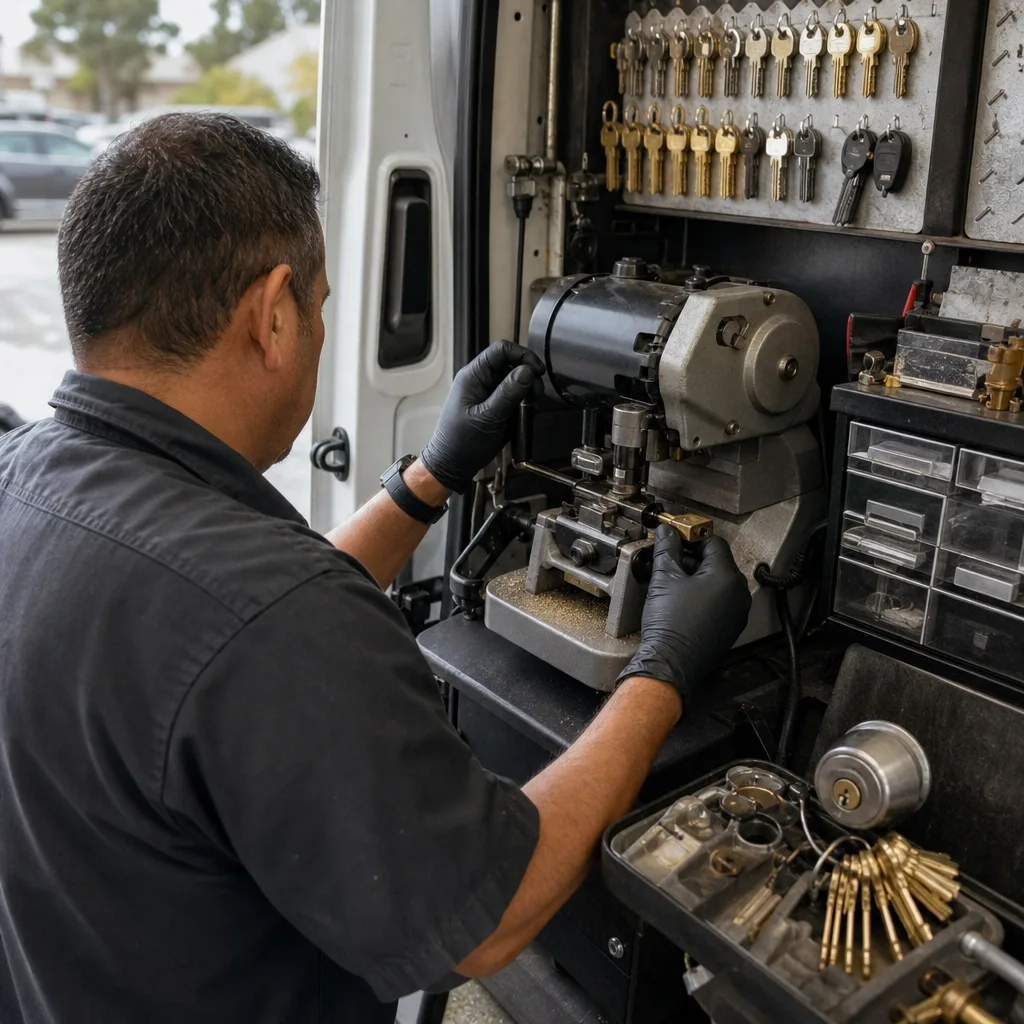
Homeowners who call after a DIY failure often open with the same phrase: “I thought I was saving money.” The math rarely works out that way.
Consider a typical scenario: a homeowner in Almaden Valley attempts to rekey a Schlage deadbolt. The cylinder is removed successfully, the pins are dumped, but the spring cover is not held firmly during reassembly. A spring launches across the room, lost. The cylinder is reassembled with one spring missing. It works for two weeks, then a pin drops and the key will not turn.
The call to us involves: emergency service fee ($85-$120 in San Jose), diagnostic time to identify the missing spring and any collateral damage, cylinder replacement if the pin chambers are scored ($45-$85 for the hardware), and rekeying to match the existing key or rekeying the entire house if the homeowner wants one key. Total: $230-$420. The original professional rekey would have been $25-$45 per cylinder.
The hardware cost of the error is $12 for a spring. The professional cost is the diagnostic time - the hour we spend understanding what was done, in what order, and what was damaged in the process. We bill for that time because it requires the same training as doing the job correctly.
Our written pricing applies here too. When we quote a repair after DIY work, we quote the full scope, not a low estimate that grows at the door. Novak Lock & Security San Jose home operates under Haven Standard Clause 1: the price on the phone is the price on the invoice. This matters more after a DIY failure, when trust is already strained.
San Jose Rental Housing Rules and Lock Work
San Jose operates under California Civil Code Section 1941.1, which defines a habitable dwelling as one with working locks on all exterior doors and windows. The law does not specify who must perform the work, but case law and municipal enforcement create practical requirements that landlords and tenants should understand.
Landlord Obligations
A landlord must provide locks that are in good working order at the start of tenancy. If a tenant requests rekeying due to a security concern - former partner, lost keys, unknown copies in circulation - the landlord must comply within a reasonable time, typically interpreted as 24-72 hours for exterior door locks.
The landlord may perform the work themselves or hire a professional. If the work is done improperly and a break-in occurs, the landlord’s liability exposure is significant. Courts have found landlords negligent for DIY lock work that failed to meet industry standards, particularly when the landlord lacked documentation of what was done.
Tenant Limitations
A tenant may not alter, remove, or add locks without landlord consent. This includes rekeying. A tenant who rekeys a lock and does not provide the landlord with a key violates the lease and may be liable for the cost of professional rekeying to restore landlord access.
The exception is domestic violence situations. California law permits a victim to request an emergency lock change and provides mechanisms for the landlord to comply at the landlord’s expense in certain cases. This is not DIY work - the statute anticipates professional service.
San Jose’s Rent Stabilization and Habitability Enforcement
San Jose’s rent stabilization program and code enforcement division respond to habitability complaints. A tenant who reports a non-working lock triggers an inspection timeline. If the landlord’s DIY repair is found inadequate - wrong grade of lock, improper installation, no deadbolt on an exterior door - the landlord receives a correction notice with a compliance deadline.
For landlords with multiple units in San Jose, particularly in the older stock near downtown or in the Alum Rock corridor, we recommend a scheduled maintenance program: professional inspection of all locks annually, documented with photo records, with rekeying between tenants performed by a licensed locksmith. The documentation is the defense if habitability is ever questioned.
What to Document After Any DIY Lock Work
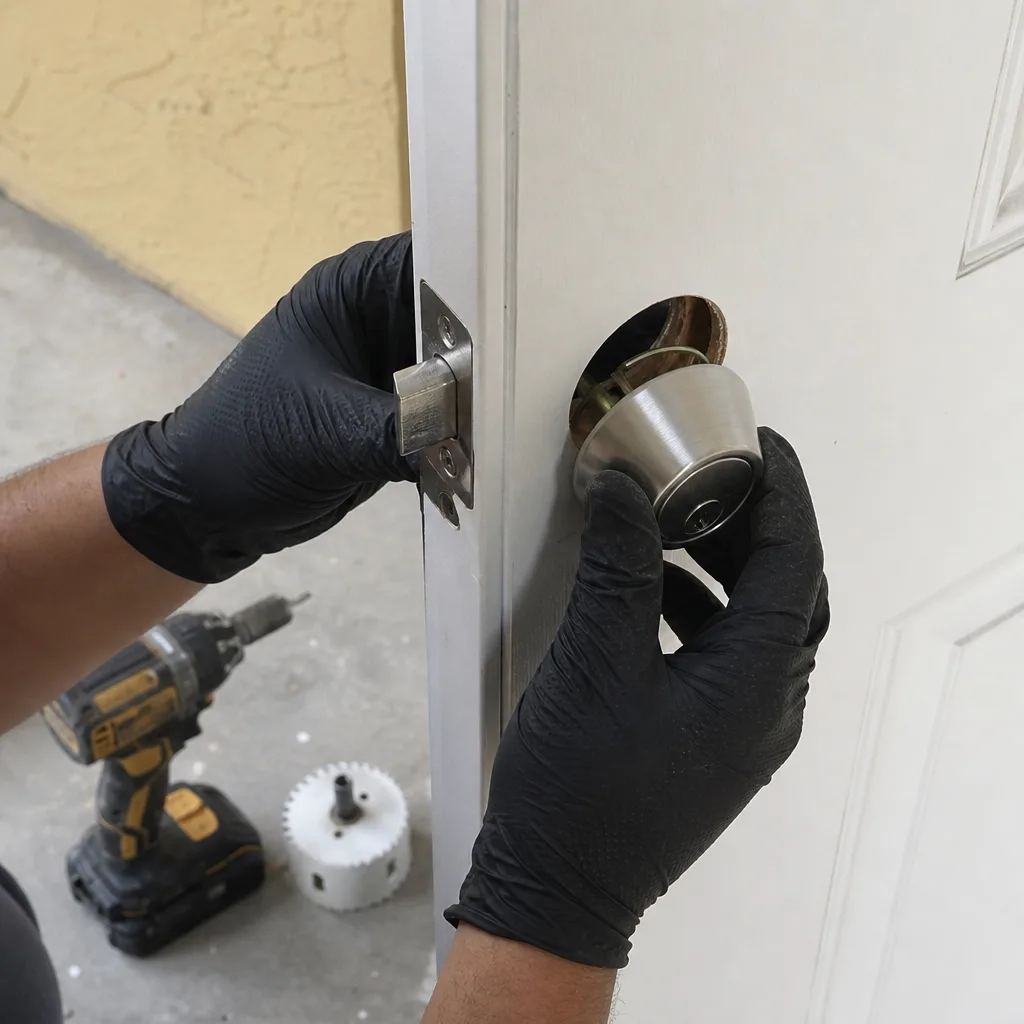
If you proceed with DIY lock work, document it thoroughly. This is not for your records alone. It is so a professional can service the hardware accurately later without starting from scratch.
- Photograph the installed hardware. Front of the lock, edge of the door showing the bolt, strike plate, and any visible part numbers. Part numbers are often on the edge of the door, stamped into the metal or on a small label.
- Record the brand, series, and function. “Schlage B60N single-cylinder deadbolt” is useful. “Deadbolt from Home Depot” is not. The series determines the keyway, the cylinder type, and the available service parts.
- Note torque settings if you used a torque wrench. Strike plate screws into a wood jamb: 25-30 inch-pounds. Metal door frame: follow the frame manufacturer’s specification. Over-torquing strips threads; under-torquing allows loosening.
- Keep packaging and instructions. Warranty claims require proof of purchase. Service parts are ordered by the part numbers on the packaging.
- Document the keying. If you rekeyed, note the key blank number (e.g., Schlage SC1, Kwikset KW1). If you used a kit, keep the kit and the pinning chart. If a professional services the lock later, this information allows them to match the existing key rather than rekeying everything.
- Test and record the test. Operate the lock 20 times with the door open, then 20 times with the door closed. Note any sticking, grinding, or resistance. A lock that works smoothly on day one but binds slightly is telling you something about the installation.
We leave a documented photo record with every customer on every visit. If you call us after DIY work, having your own documentation reduces our diagnostic time and your bill.
The Real Tool Investment for Home Locksmithing
The internet suggests that lock picking is a useful homeowner skill. It is not. Picking a lock you own, without authorization, is legal but pointless - you have the key. Picking a lock you do not own is a crime. The “prepper” toolkits sold online are novelty items, not practical homeowner tools.
The actual tool investment for the DIY tasks we endorse:
- SmartKey reset tool: included with rekey kit, or $8-$12 separately
- Quality screwdriver set with torque indication: $40-$80
- 3/4-inch and 1-inch chisels for strike plate work: $25-$40
- Drill with clutch settings and sharp bits: $80-$150 if you don’t own one
- Digital caliper for backset and door thickness measurement: $15-$25
- Dry Teflon lubricant: $8-$12
Total: $176-$319 for tools that will last decades, assuming you own a drill. This is a reasonable investment if you plan to rekey between tenants, upgrade hardware as you renovate, or maintain a multi-unit property.
What we do not recommend buying: pick sets, bypass tools, or “locksmith starter kits” from online marketplaces. These are either illegal to possess in certain contexts, ineffective on modern hardware, or both. We’ve been called to open safes where the owner attempted to use a $15 Amazon pick set and jammed the mechanism. The safe opening then required drilling, destroying the safe, at a cost of $400-$800.
Choosing a Professional When You Need One
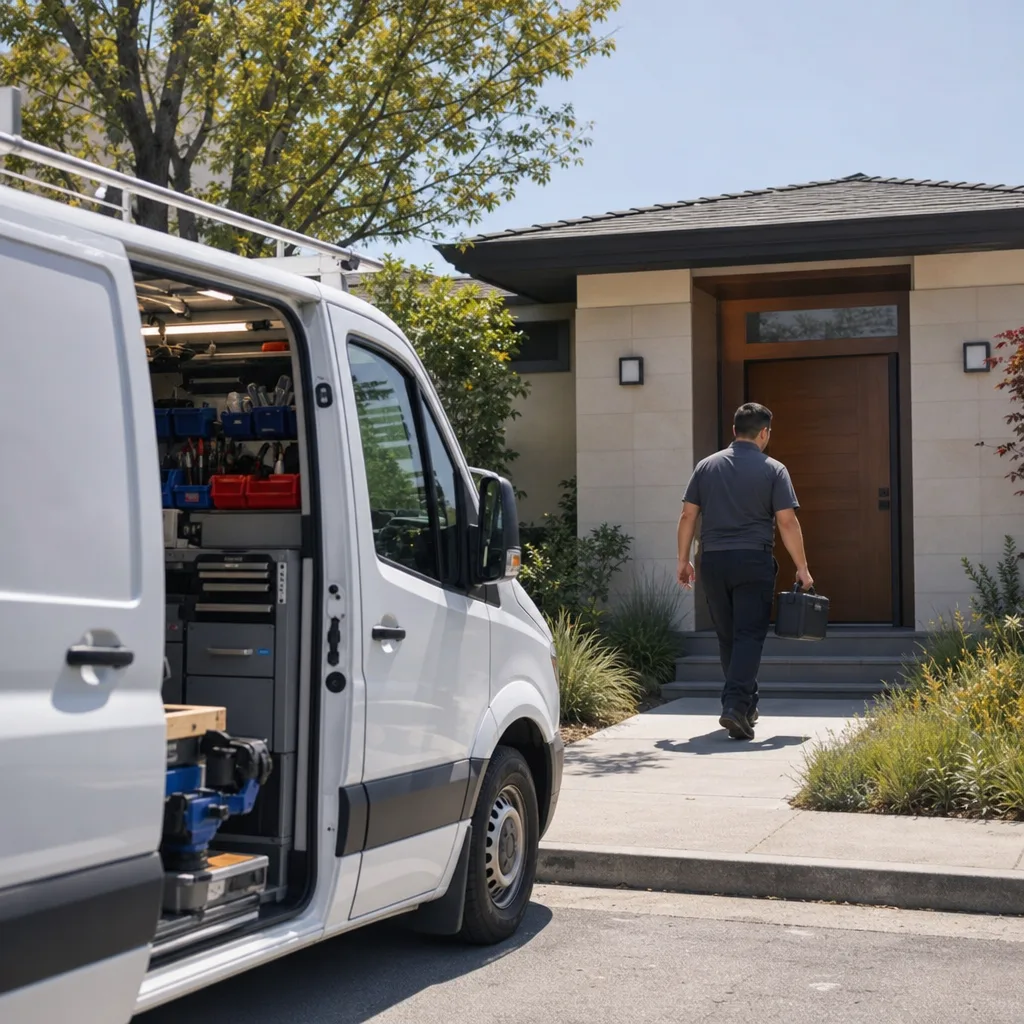
When DIY reaches its limit, the choice of professional matters. The locksmith trade has a reputation problem: bait pricing, unlicensed operators, and technicians who arrive in unmarked cars with no verifiable credentials. Browse more guides & resources to protect yourself from common scams.
Here is what we suggest verifying before you call:
- Written price before dispatch. The dispatcher should quote a firm price or a tight range, and the technician should be contractually prohibited from changing it. This is Haven Standard Clause 1, and it has been our rule since 2002. If a company will not commit to a price on the phone, the price at the door will be higher.
- Background checks and uniforms. The technician who enters your home should be identifiable and vetted. We provide a documented photo record of every visit, including the technician’s identification, as standard procedure.
- Factory authorization for premium brands. If you are installing high-security hardware, ask for the factory authorization letter or check the manufacturer’s dealer locator. An unauthorized installer cannot provide key control or warranty service.
- Physical location in San Jose. Many “local” locksmiths are call centers routing to the lowest bidder. Verify a San Jose address, not just a San Jose phone number.
- Documentation provided. Written scope, written warranty, photo record. These are not upgrades. They are evidence of what was done, by whom, and under what terms.
Residential locksmith services in San Jose should include these elements without prompting. If you have to ask for documentation, you are not dealing with a professional operation.
We offer a free second opinion on any written estimate. Bring us a competitor’s quote and we will review it at no charge. This is not a sales tactic. It is a check against the bait-pricing operations that dominate online advertising. We’ve reviewed estimates that quoted $29 for a service call and $340 for the actual work, with the $29 disclosed only in the fine print as a “trip charge” separate from the labor.
Common Mistakes to Avoid
- Rekeying a SmartKey cylinder without testing the old key first. If the old key was already failing, the cylinder may have internal damage. Rekeying a damaged cylinder produces a new key that also fails, and the homeowner blames the rekey rather than the underlying wear.
- Installing a deadbolt on a door with a window too close to the lock. A glass panel within 40 inches of the deadbolt allows a burglar to break the glass and reach the thumbturn. The correct solution is a double-cylinder deadbolt (key on both sides) or relocation of the lock, not a standard single-cylinder installation that creates a false sense of security.
- Ignoring door swing and hinge pin exposure. An out-swinging door with exposed hinge pins can be lifted off the hinges in seconds. The fix is security hinges with non-removable pins, not a more expensive deadbolt on a door that can be removed from the frame.
- Reusing old strike plate screws during an upgrade. The 3/4-inch screws that came with the original plate are designed for the original plate. A box strike requires 3-inch screws. Using the old screws defeats the purpose of the upgrade.
- Applying lubricant to a dirty lock. Lubricant mixes with dust and grit to form an abrasive paste. Clean first, then lubricate sparingly. Compressed air, then dry Teflon spray, then test.
- Assuming all locks in a house use the same keyway. San Jose homes that have been renovated in stages often have mixed hardware: Schlage on the front door, Kwikset on the back, Baldwin on the side door. Rekeying to one key requires compatible keyways or replacement of mismatched hardware.
- Performing lock work on a rental unit without written landlord authorization. Even if the work is done correctly, unauthorized alteration of locks is a lease violation. Document permission before starting.
When to Call a Professional
Call a professional when the task involves master keying, high-security cylinders, electrified hardware, or any rental property governed by California habitability law. Call when you’ve attempted DIY work and something is not right - a slight stickiness, a key that requires jiggling, a bolt that doesn’t fully extend. These are early warnings of failures that become emergencies at inconvenient hours.
Novak Lock & Security San Jose offers free estimates in San Jose. Call (669) 201-7095. The dispatcher will quote a firm price before any technician is dispatched, and that price is the price on the invoice. Every visit includes a documented photo record, performed by a background-checked, uniformed technician, backed by our 365-Day Done Right Promise.
Frequently Asked Questions
Lock rekeying in San Jose typically runs $25-$45 per cylinder for standard residential hardware, quoted in writing before we start. High-security cylinders like Mul-T-Lock or Abloy run $65-$125 per cylinder due to restricted key blank costs and factory registration requirements. There is no call-out surcharge added on arrival; the price on the phone is the price on the invoice under Haven Standard Clause 1. Call (669) 201-7095 for an exact quote - estimates are free.
Yes. The price we quote on the phone is contractually the price on the invoice. Our technician is not permitted to change it at the doorstep. This rule has been in place since 2002 and is the foundation the business was built on. If we discover additional work is needed, we stop, explain the scope, and quote the addition before proceeding. No surprises, no escalation.
No, not without landlord written consent. California law requires tenants to provide landlords with keys to all locks. Unauthorized rekeying violates your lease and exposes you to the cost of professional restoration. The exception is domestic violence situations, where specific legal protections apply and professional service is typically arranged through advocacy organizations. For rental properties, professional lock work with documented key handoff protects both parties.
Our calls are answered by a live person, 24/7, with no voicemail queue or callback window. Response time varies by location and traffic - typically 25-45 minutes in San Jose proper, longer for outlying areas during peak hours. The dispatcher will give you a specific ETA when you call. Emergency lockout service in San Jose runs $180-$340 depending on time of day and hardware complexity, quoted firmly before dispatch. Call (669) 201-7095.
You can buy most lock brands online. What you cannot buy is the key control system that makes high-security hardware secure. Medeco, Mul-T-Lock, and Abloy restrict key blanks to factory-authorized dealers. We are authorized for all three. The lock body is available to anyone; the security is in the key control, which requires professional installation and registration. Baldwin and Sargent offer premium residential and commercial hardware with similar dealer networks for certain product lines.
Warning signs include: key requires jiggling or unusual angle to turn; bolt does not fully extend or retract; lock operates differently in hot vs. cold weather; clicking or grinding sounds; key works on one side of a double-sided lock but not the other. If you notice any of these within 30 days of DIY work, call for inspection. Early correction is less expensive than emergency service after complete failure. We provide free estimates and will tell you honestly whether the issue is DIY-related or pre-existing wear.
You should receive: a written scope describing the work performed; a written price, itemized if multiple services were provided; a written warranty with terms and duration; and a photo record of the completed work. We provide all four on every visit as standard, not as upgrades. If your locksmith does not document the work, you have no recourse if the lock fails or if a security issue arises later. Documentation is not bureaucracy. It is the evidence that the job was done correctly.
The Bottom Line
The DIY-versus-professional question is not about whether you are capable. It is about whether you can see what is wrong before it fails, and what it costs when you cannot. SmartKey rekeys, strike plate upgrades, and reinforcement hardware are within reach of a careful homeowner who documents their work and knows the failure modes. Master key systems, high-security cylinders, electrified hardware, and rental property work are not. The line is specific, not general. Know where you stand before you start, and know who to call when the job exceeds what you can verify.
Call Novak Lock & Security San Jose at (669) 201-7095 for a free estimate. The dispatcher will quote a firm price before any technician is dispatched, and that price is the price on the invoice. Every job starts with a written scope and ends with a documented record. That’s been our rule since 2002.
Written by Daniel Novak, Owner at Novak Lock & Security San Jose, serving San Jose since 2002.