
Last updated September 25, 2026
Non-destructive entry first, always - and we re-key Schlage, Kwikset, and Baldwin locks on the spot while you watch
You get a price before we start. It does not change when we arrive. No surprises.
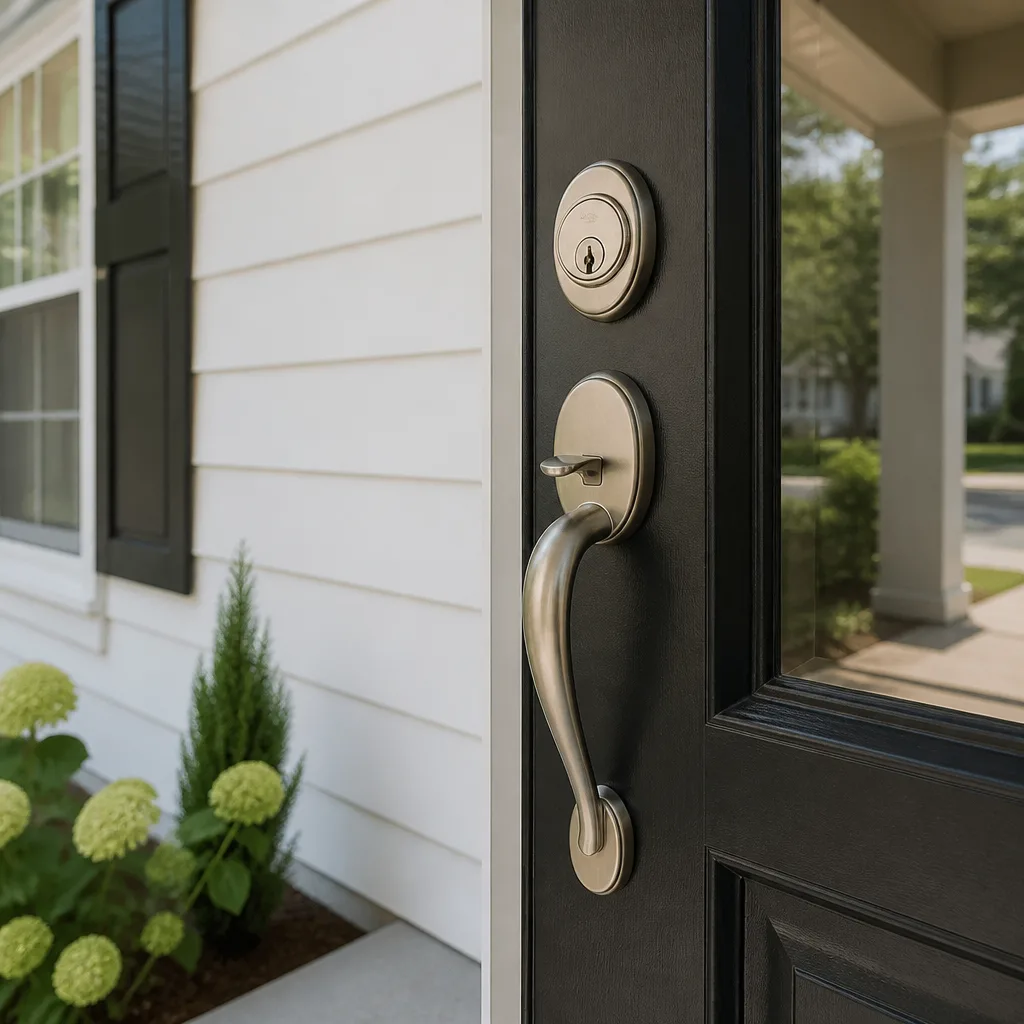
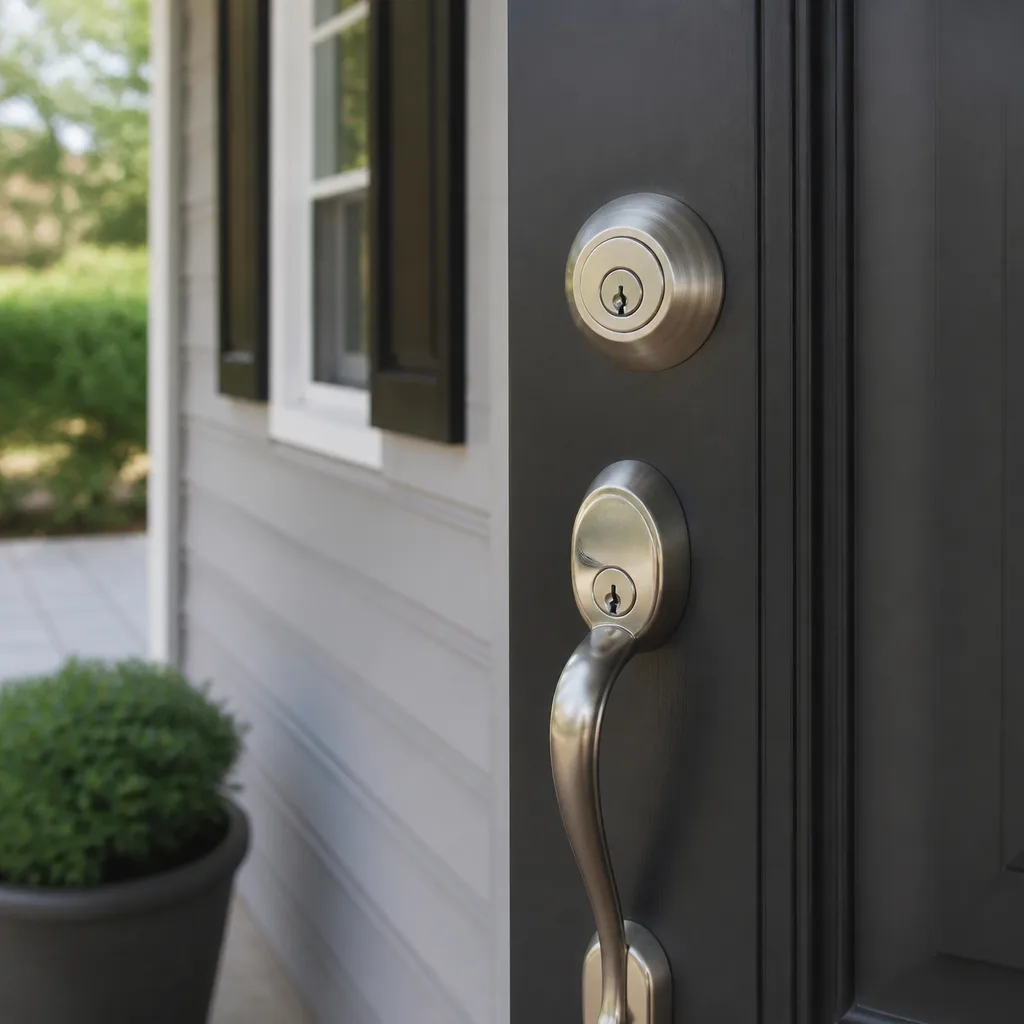
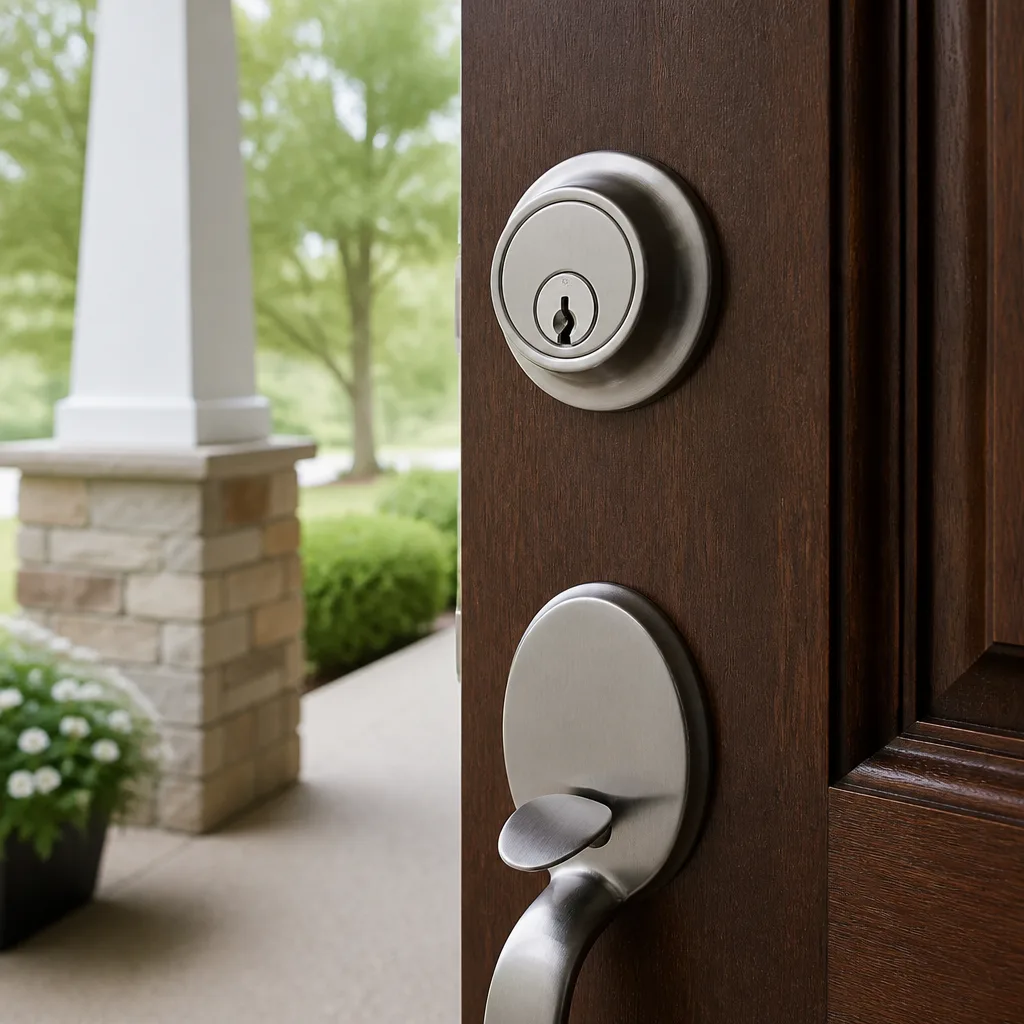
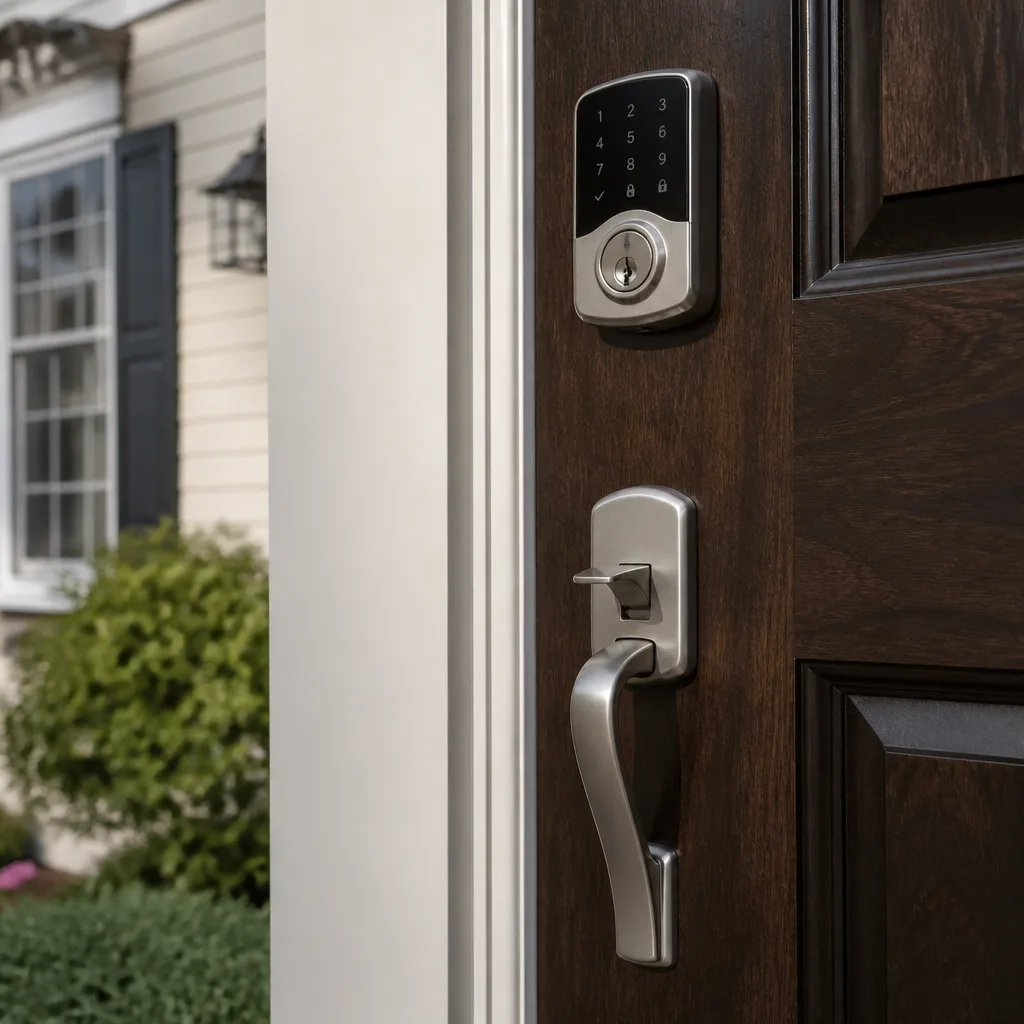
Commercial Locksmith Maintenance Checklist for San Jose Homeowners
A worn cam in a cylindrical commercial lockset can pass a visual inspection and still fail under load - the kind of failure that jams an emergency exit or traps a walk-in freezer latch at 11 p.m. on a Saturday. In San Jose, where commercial buildings range from 1970s strip malls in Willow Glen to new mixed-use developments in Japantown, lock hardware ages unevenly and fails unpredictably. Most property owners call a Commercial Locksmith services provider after the failure, not before. This guide gives you a quarterly maintenance checklist with specific pass/fail criteria for the hardware found in San Jose commercial buildings, plus the documentation standards that protect you from liability when something goes wrong.
Quick Answer
Commercial lock maintenance in San Jose should happen quarterly, not annually, with separate inspection protocols for cylindrical locksets, mortise hardware, and exit devices. Each inspection produces a written record with photos, pass/fail ratings on five wear points, and a schedule for lubrication, rekeying, or replacement. Proper documentation satisfies insurance requirements and California fire code obligations.
Table of Contents
- Why Quarterly Maintenance Matters in San Jose
- Cylindrical Lockset Inspection Checklist
- Mortise Lock Inspection Checklist
- Exit Device and Panic Hardware Checklist
- Master Key System Audit Protocol
- Lubrication Types by Hardware Category
- California Title 24 Accessibility Requirements
- Documentation Standards for Insurance and Liability
Why Quarterly Maintenance Matters in San Jose
San Jose’s climate creates specific wear patterns that accelerate lock degradation. The Santa Clara Valley sees wide temperature swings between inland heat and marine-cooled evenings, plus seasonal moisture from winter storms that corrode strike plates and latch mechanisms. Buildings near the bay in Alviso or along the Guadalupe River corridor see more humidity-related binding. Inland properties in Evergreen or Almaden Valley experience thermal expansion cycles that loosen cylinder set screws and warp strike plate alignment.
We’ve serviced commercial properties across San Jose since 2002, and the pattern is consistent: hardware that receives no structured inspection fails 3-4 times faster than hardware on a quarterly schedule. A quarterly cycle catches wear before it becomes failure.
The commercial buildings that benefit most from quarterly maintenance include:
- Multi-tenant retail in Santana Row and Valley Fair corridors, where high traffic volumes wear latch bolts and deadlatches in under 18 months
- Restaurant and food-service properties in Japantown and Little Portugal, where grease and moisture migrate into lock mechanisms
- Industrial units in North San Jose and Berryessa, where dust and vibration from manufacturing equipment loosen cylinder retaining screws
- Medical and dental offices throughout the city, where HIPAA security requirements and fire egress codes create dual compliance obligations
- Properties with master key systems in Willow Glen and Rose Garden, where unauthorized duplication or worn pinning creates security gaps
Quarterly maintenance also satisfies the documentation expectations of commercial insurers and San Jose fire inspectors. After a lock-related incident - a failed exit device during an emergency, a break-in through a worn cylinder - the first question is whether the hardware was maintained to manufacturer specifications. A written quarterly record with photos answers that question before it’s asked.
Commercial locksmith services in San Jose from Novak Lock & Security include scheduled quarterly maintenance programs with documented inspection reports. Every visit includes a photo record left with the property manager, per Haven Standard Clause 4.
Cylindrical Lockset Inspection Checklist
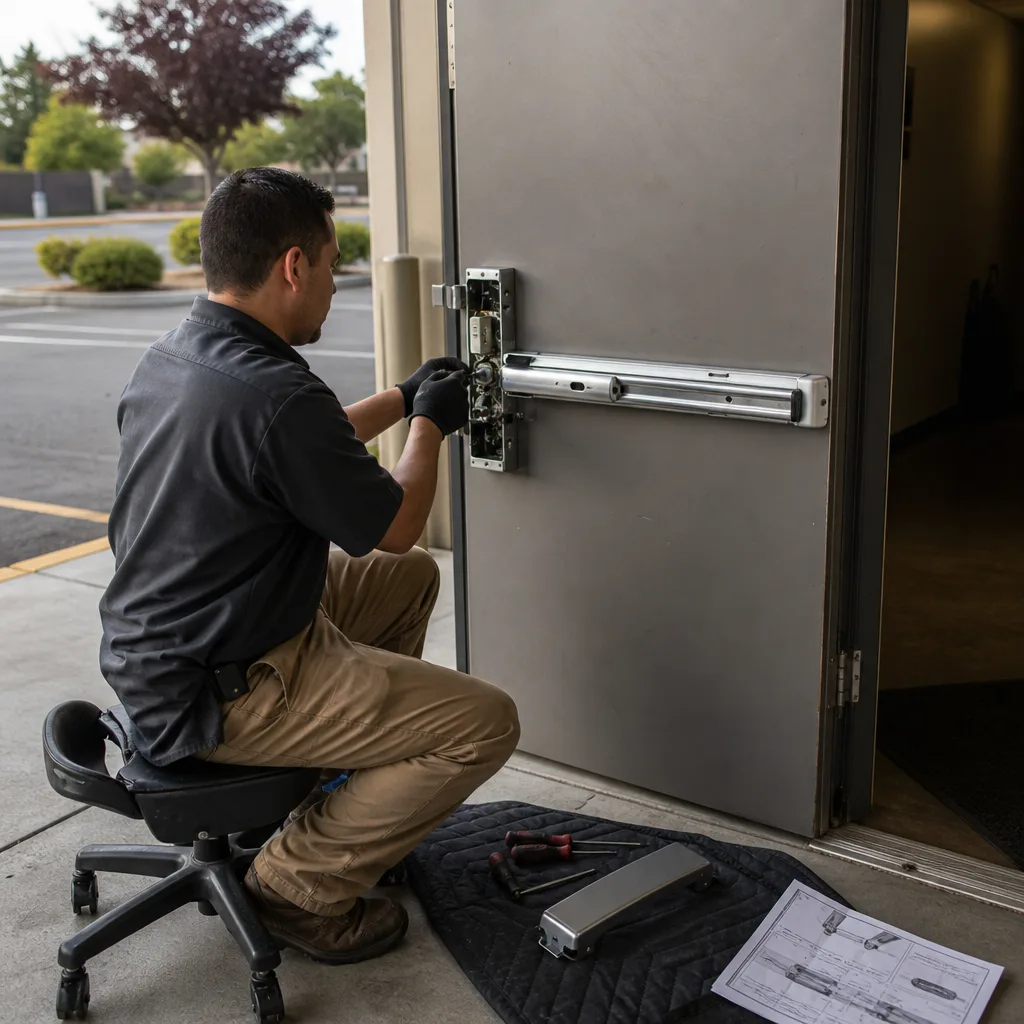
Cylindrical locksets - the round-bodied hardware found on most interior office doors - are the most common commercial lock in San Jose and the most frequently neglected. They appear simple but contain six wear-critical components that degrade on separate schedules.
Perform this inspection every 90 days. Rate each item Pass, Monitor, or Fail. Any Fail requires immediate service. Any Monitor requires recheck in 30 days.
- Cylinder rotation tension. Insert the working key and rotate. Resistance should be smooth and consistent through 90 degrees. Grinding, catching, or a “mushy” feel indicates pin wear or debris in the keyway. In our San Jose experience, properties within two miles of the bay see more corrosion-related binding from salt air.
- Latch bolt throw and retraction. With the door open, turn the lever or knob fully. The latch bolt should retract flush with the door edge and extend fully when released. Partial throw means the deadlatching plunger is stuck or the spring is fatigued. This is the failure that causes “the door won’t stay closed” calls at 10 p.m.
- Deadlatching plunger function. Press the plunger with your thumb while retracting the latch. It should move freely and spring back. If it sticks, the latch can be shimmed open with a credit card or thin tool. We find this failure regularly in older San Jose office buildings with original 1980s hardware.
- Strike plate alignment and fastener torque. Close the door slowly and observe where the latch meets the strike. The bolt should center in the strike opening without scraping. Check strike screws with a screwdriver - they should resist turning. Loose strikes are the leading cause of latch failure; the bolt misses the opening, the user forces the lever, and the internal cam cracks.
- Lever or knob return spring. Release the lever from full depression. It should return to horizontal in under one second. Slow return means the spring is fatiguing. Complete failure leaves the lever drooping and the latch permanently retracted.
- Door closer coordination. The lock and closer are a system. If the closer is misadjusted, users yank the lever against a resisting door, stressing the internal cam. Check that the door latches completely without slamming. In San Jose’s older commercial stock, particularly in Midtown and Burbank, sagging hinges and worn closers create latch misalignment that destroys locksets.
Document each rating with the date, technician or inspector name, and door location. A floor plan with numbered doors prevents the “which one was that?” problem in buildings with 40 identical offices.
Replacement timing: A cylindrical lockset showing two Monitor ratings on consecutive quarters should be scheduled for replacement. The hardware is telling you it’s entering end-of-life. A commercial-grade Schlage AL-Series or Yale 5400LN typically delivers 7-10 years in moderate-traffic San Jose applications. Light-duty Kwikset commercial products last 4-6 years in the same conditions.
Mortise Lock Inspection Checklist
Mortise locks - the rectangular-bodied hardware installed into a pocket cut in the door edge - are specified for high-traffic and high-security applications. In San Jose, we see them on historic commercial buildings in Hensley Historic District, on modern mixed-use properties downtown, and anywhere a building owner has invested in Baldwin or high-security Medeco hardware.
Mortise locks are more complex than cylindrical sets and require a more detailed inspection. The pocket installation also means water intrusion or door-core rot can damage the lock body from the inside - a failure mode invisible until the lock stops working.
- Faceplate and trim fastener security. Check all visible screws on the escutcheon plates. They should be tight and undamaged. Loose trim allows the lock body to shift in the pocket, misaligning the deadbolt with the strike. In San Jose’s seismic zone, we’ve seen trim loosen from vibration during minor quakes.
- Deadbolt throw and retraction. Operate with the key from outside and the thumbturn from inside. The bolt should extend a minimum 1 inch into the strike (measured with a small ruler). Short throw means the bolt is worn, the door has settled, or the strike is improperly positioned. Any throw under 3/4 inch is a security failure.
- Latch bolt and auxiliary deadlatch. Same function check as cylindrical sets, but mortise deadlatches are more sensitive to pocket debris. If the auxiliary latch sticks, the main latch can be held retracted by closing pressure, creating a “locked but not locked” condition.
- Keyway condition and key fit. Insert the key fully. It should slide to full depth without jiggling. A key that requires manipulation to reach bottom indicates pin wear, key wear, or foreign material. For Medeco or Mul-T-Lock high-security cylinders, key wear is a security indicator - these keys are coded to specific bittings and unauthorized duplication shows up as accelerated key wear.
- Lock body mounting screw torque. This requires removing one escutcheon plate quarterly, rotating which side each inspection. The body screws that hold the lock into the door pocket must be tight. Loose body mounting is the leading cause of mortise lock failure in San Jose’s older commercial stock; the body shifts, the bolt misses the strike, and forcing the key shears the cam.
- Door edge pocket integrity. With the escutcheon removed, inspect the wood or metal around the pocket. Soft wood, rust on metal doors, or moisture staining indicates water intrusion. In San Jose, flat-roof commercial buildings and properties with failed door sweeps see this damage regularly. A rotted pocket destroys lock alignment and cannot be repaired - the door requires replacement or a surface-mounted retrofit.
Mortise lock lubrication is covered in the lubrication section below. The critical point: never oil a mortise lock body. Oil attracts dust and creates a grinding paste that destroys internal parts. Dry lubricants only.
Exit Device and Panic Hardware Checklist
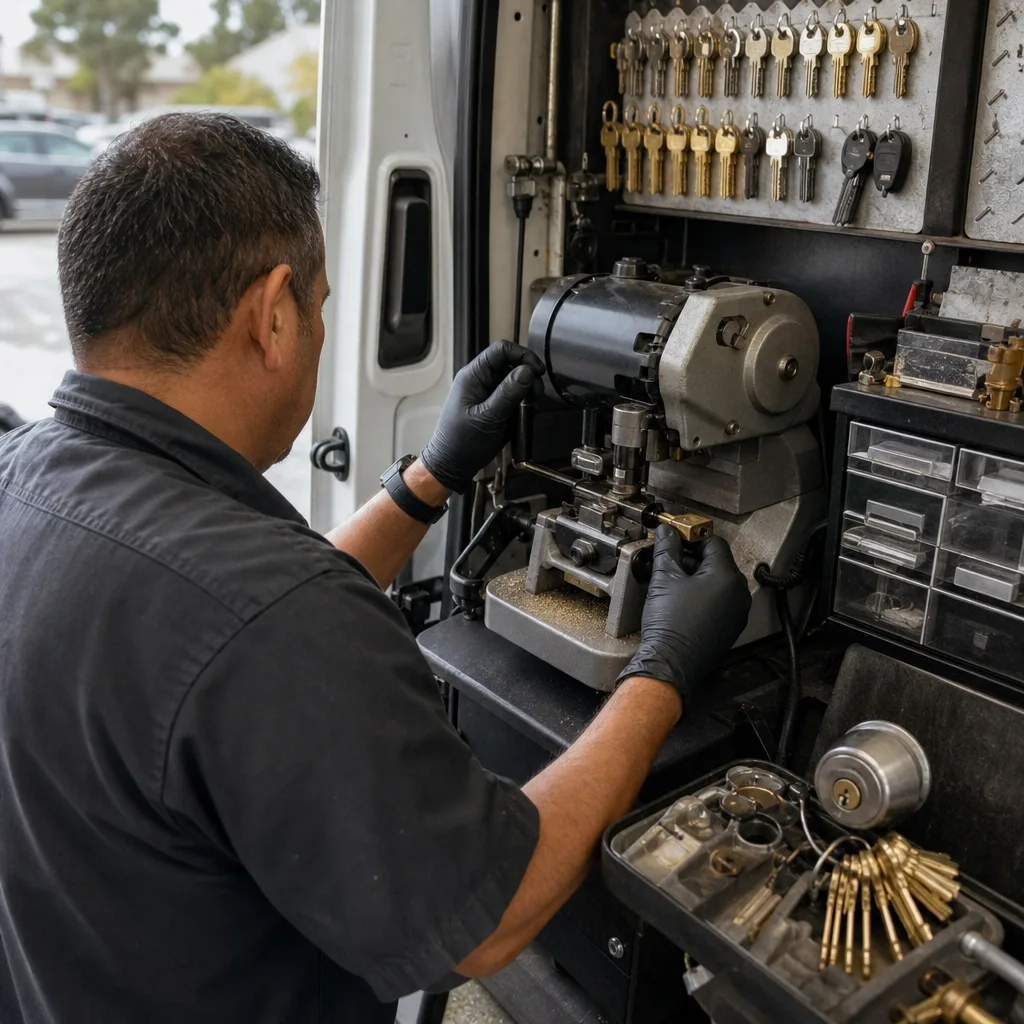
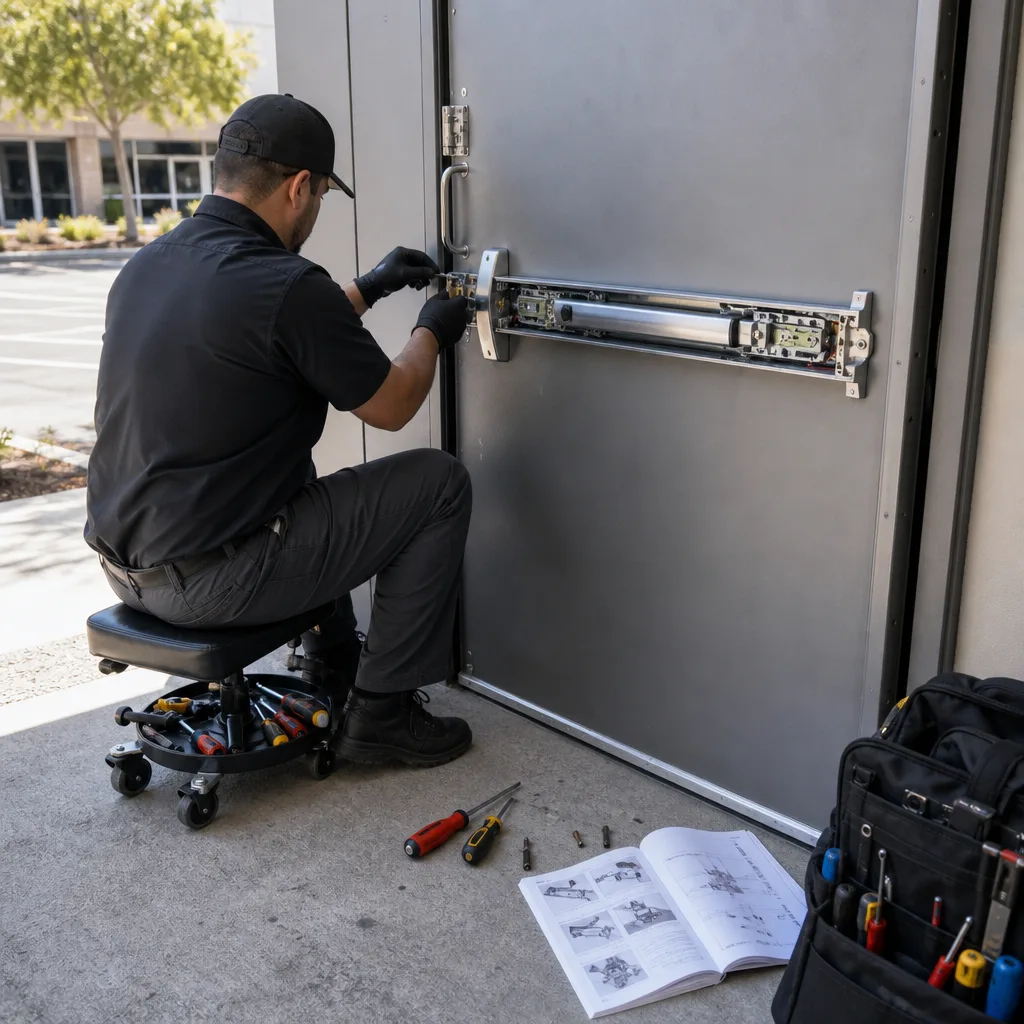
Exit devices - panic bars and touchpad releases - are life safety equipment regulated by California fire code and inspected by the San Jose Fire Department. A failed exit device is not merely an inconvenience. It is a code violation with liability exposure and, in an emergency, a potential fatality.
Quarterly inspection is the minimum frequency. High-traffic properties - theaters, schools, large retail - should inspect monthly.
- Dogging mechanism function (where equipped). Dogging holds the push bar retracted for free access during business hours. Mechanical dogging (hex key or cylinder) and electric dogging (solenoid release) must both retract and release completely. Partial dogging creates a bar that looks open but catches under pressure. We found this condition in a San Jose warehouse last year - the dogging cam was worn to a 45-degree angle and caught intermittently.
- Push bar travel and return. Depress the bar fully and release. It should return to rest position without sticking. Slow return means the spring motor is fatiguing or the internal mechanism needs cleaning. A bar that does not return fully leaves the latch retracted and the door unsecured.
- Latch retraction and strike engagement. Operate the device and observe the latch bolt(s). Vertical rod devices (top and bottom latches) must both retract simultaneously. Mis-timed rods mean one latch remains engaged - the door appears closed but pulls open with pressure. This is common in San Jose properties with seasonal humidity changes that swell wood doors and bind rod guides.
- Rim device strike and auxiliary latch. For rim exit devices (single top latch), check strike alignment and the auxiliary latch function. The auxiliary latch must depress freely; if it sticks, the main latch can be held retracted.
- Electric release and alarm integration. If the device is tied to an alarm or access control system, test the release function and verify alarm signaling. Delayed egress devices must release within 15 seconds of activation per California fire code. We document the release timing with a stopwatch during quarterly service.
- Fastener torque on all visible hardware. Exit devices are heavily used and fasteners loosen. Check all visible screws with a screwdriver. Pay particular attention to the end cap screws and the mounting screws at the device center - these carry the operating load.
Exit device replacement parts must match the original manufacturer specification. Mixing brands on the same door - a Von Duprin device with a Falcon strike, for example - voids fire listing and creates inspection failure. Access control integration in San Jose must be performed with fire-listed components and documented for the fire inspector.
After any exit device service, test the door from the inside with no key or tool - just the push bar. If you cannot open it in one motion, the device is not code-compliant.
Master Key System Audit Protocol
Master key systems are common in San Jose multi-tenant commercial properties, office condos, and mixed-use buildings. They provide convenience and create a security vulnerability that requires active management. An unmanaged master key system degrades through unauthorized duplication, lost keys that are never reported, and changes in tenant occupancy that leave old keys in circulation.
We recommend a formal master key audit every 12 months, with a mini-audit every quarter during the physical lock inspection. The annual audit is comprehensive; the quarterly check is targeted.
Annual Master Key Audit:
- Key inventory reconciliation. Count every key issued against the register. Each key should have a number, issue date, recipient name, and return date. Unaccounted keys are security gaps. In our San Jose experience, 15-20% of issued keys in properties over five years old cannot be located.
- Key control verification. Confirm that restricted keyways (Medeco, Mul-T-Lock, Schlage Primus) are still enforced. Check that no unauthorized blanks have been cut. For standard keyways, consider upgrading to restricted profiles - the cost difference is $8-$15 per cylinder and eliminates off-the-street duplication.
- Pinning chart review. Compare the current pinning chart to the original. Document any changes, who authorized them, and when. A pinning chart that drifts from the original without documentation indicates unauthorized rekeying or a security breach.
- Tenant change rekey verification. For every tenant turnover in the past year, confirm rekeying was performed and document the date. In San Jose’s competitive commercial market, tenant turnover is high; skipped rekeys are common when property managers are rushed.
- Grand master and sub-master key location. Verify physical control of the highest-level keys. These should be stored in a lock box or safe, not in a desk drawer. Document who has access to the storage location.
Quarterly Mini-Audit (during physical inspection):
- Spot-check three random doors for keyway wear that suggests non-original keys
- Verify that recent tenant changes were rekeyed
- Check for signs of lock picking or bumping (scratches around keyway, misaligned pins)
- Confirm that construction or renovation keys have been voided
When to rekey versus recore: Rekeying changes the pin combination and issues new keys; the cylinder stays. Recoring replaces the cylinder entirely. Recore when the cylinder shows physical wear, when the keyway has been damaged, or when upgrading from standard to high-security. Rekey when the hardware is sound but key control has been compromised.
Residential and commercial rekeying in San Jose from Novak Lock & Security includes a new pinning chart, updated key register, and written key control policy. The 365-Day Done Right Promise applies to all master key work.
Lubrication Types by Hardware Category
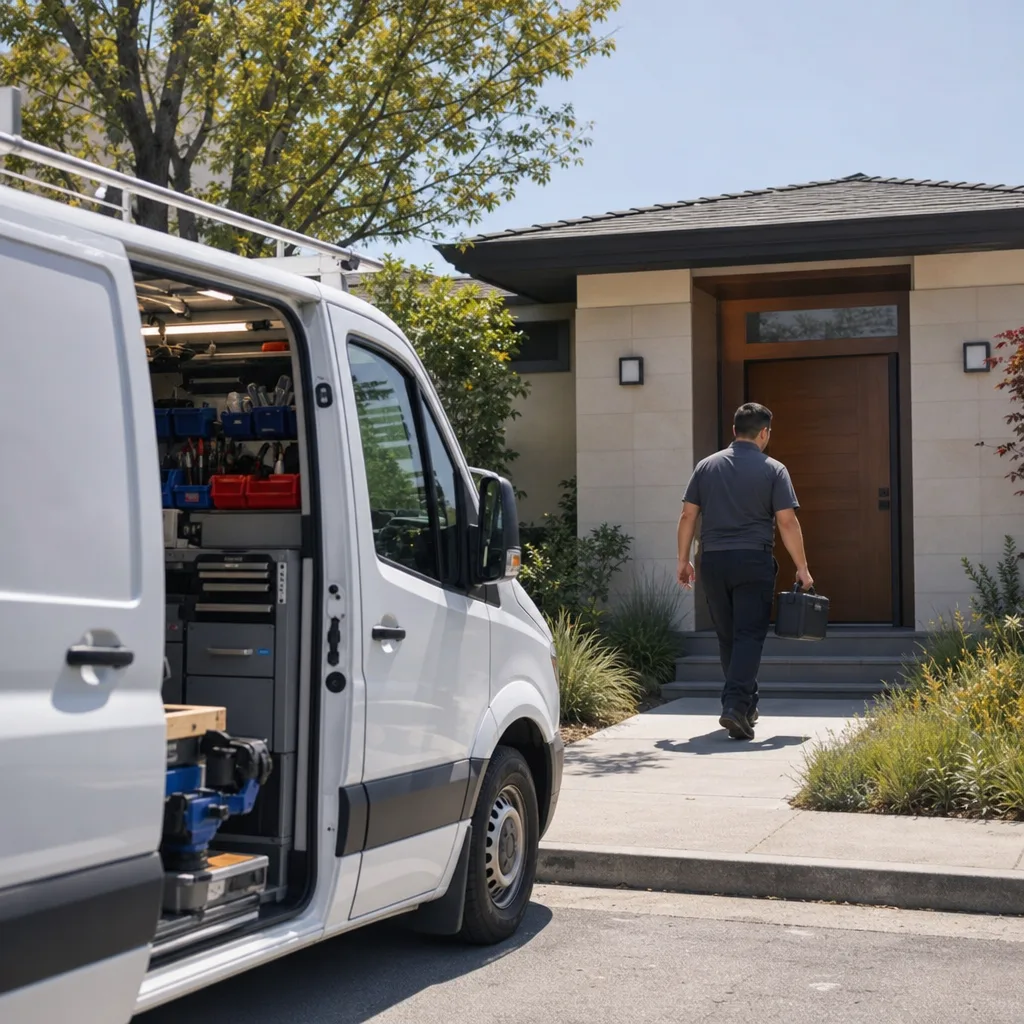
The wrong lubricant destroys commercial lock hardware. We’ve replaced cylinders in San Jose that were ruined by WD-40, which evaporates and leaves a sticky residue, and mortise locks gummed with graphite that turned to abrasive paste in dusty environments.
Use this specification:
| Hardware Type | Recommended Lubricant | Frequency | Products That Void Warranty |
|---|---|---|---|
| Cylindrical lockset keyway | Dry Teflon spray (Houdini Lock Lube or equivalent) | Quarterly | WD-40, 3-in-1 oil, silicone spray |
| Mortise lock body | Dry graphite powder in controlled quantity | Annually, or when sticking reported | Any petroleum-based oil or spray |
| Exit device mechanism | Manufacturer-specified lubricant only | Per manufacturer manual | Any non-specified product |
| Deadbolt bolt face | Dry Teflon spray | Quarterly | Grease, oil, silicone |
| Hinges and door closer | Light machine oil on hinge pin, manufacturer fluid for closer | Semi-annually | WD-40 on closer (destroys seals) |
Application method matters. For keyways, apply Teflon spray to the key, insert, and work the lock 10 times. Never spray directly into the cylinder - overspray migrates to the pins and collects dust. For mortise bodies, remove the escutcheon and apply graphite powder with a precision applicator to the bolt mechanism only. Excess graphite blows out with door movement and contaminates the floor.
In San Jose’s drier inland areas, dust infiltration is the primary concern; dry lubricants are essential. Near the bay, corrosion resistance matters more; Teflon’s moisture barrier properties outperform graphite. We adjust our maintenance specifications by sub-market for properties with multiple locations.
Factory-authorized work on Medeco, Mul-T-Lock, and Baldwin hardware includes manufacturer-specified lubrication protocols. Using non-specified products voids the warranty and can damage the precision tolerances that make these locks high-security.
California Title 24 Accessibility Requirements
California’s Title 24 Building Standards Code includes accessibility requirements that affect commercial lock hardware directly. Non-compliant hardware triggers replacement obligations in specific circumstances, and San Jose building inspectors enforce these provisions during tenant improvement permits and change-of-occupancy inspections.
The relevant provisions for lock maintenance:
- Lever handles required. Knob-operated locks do not meet accessibility standards for new installations and must be replaced with lever hardware during any renovation that triggers Title 24 compliance. In San Jose, this applies to tenant improvements exceeding $165,000 in valuation or any change of occupancy classification.
- Operating force limits. Door hardware must operate with 5 pounds of force or less. A sticky lock that requires shoulder pressure to operate is a code violation, not merely a maintenance issue. We measure operating force with a calibrated gauge during quarterly inspection.
- Clear opening width. The door and hardware combination must provide 32 inches minimum clear opening. Hardware projection into the opening cannot reduce this dimension. Thick escutcheons or improperly installed mortise bodies can create a violation.
- Key-in-knob or key-in-lever height. Cylinder height must be between 34 and 48 inches above the floor. Hardware installed outside this range during original construction must be relocated during any accessibility-triggering renovation.
- Two-door vestibule requirements. In a two-door vestibule, at least one door must provide the required clear width and operating force. Both doors with restrictive hardware is a common violation in older San Jose office buildings.
When Title 24 triggers replacement: The triggering event is a permit application for renovation, not a maintenance schedule. However, we flag non-compliant hardware during quarterly inspection so property owners can budget for replacement before a permit application forces emergency compliance. A lever conversion on a standard cylindrical lockset runs $180-$280 per door in San Jose, including hardware and labor, quoted in writing before work starts.
Fire-rated hardware must maintain its listing after any Title 24 modification. We specify fire-rated lever sets that match the original door rating, with documentation for the building inspector.
Documentation Standards for Insurance and Liability
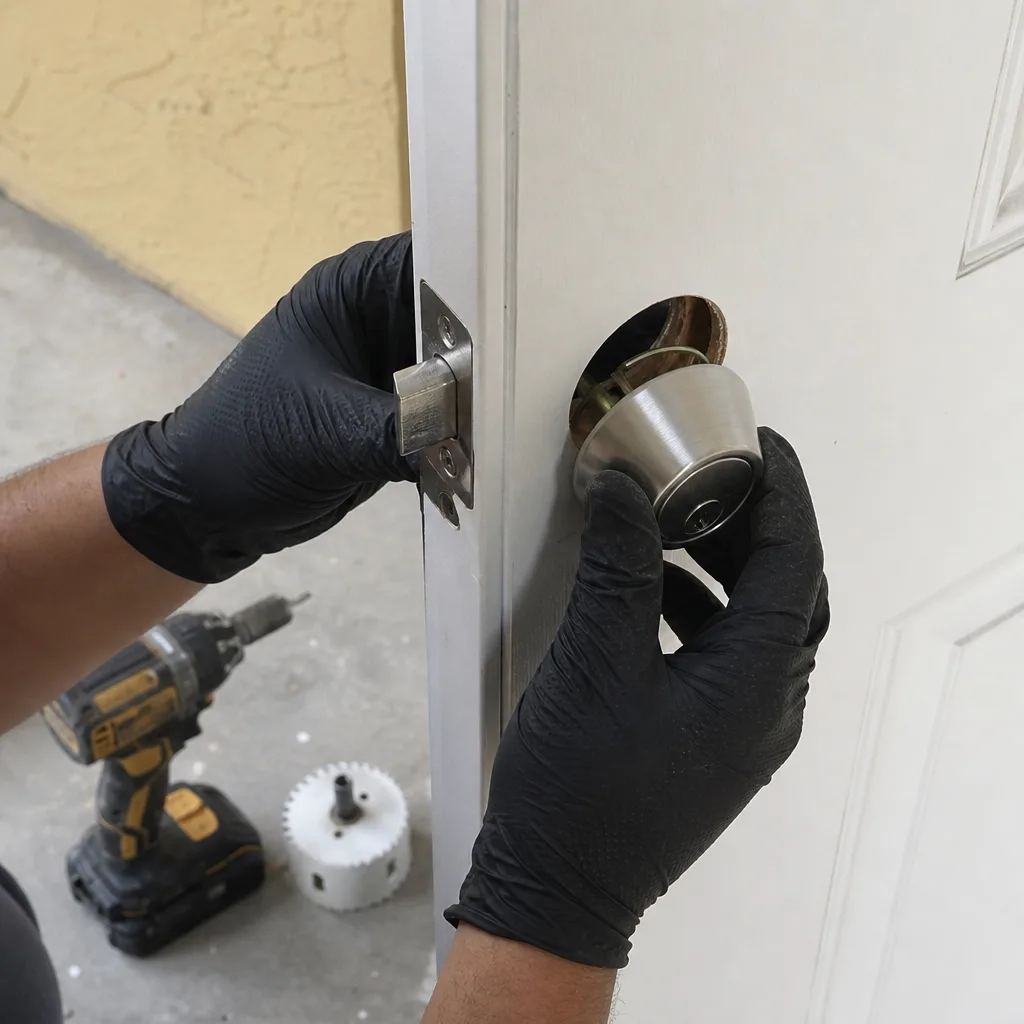
The maintenance checklist produces data. That data has value only if it’s organized, accessible, and defensible. After a break-in, a fire, or a personal injury claim involving a door, the first document requested is the maintenance record.
Every quarterly inspection should produce this record:
- Property identification. Address, building name, suite or unit numbers inspected, and date. Include the San Jose Assessor’s Parcel Number for unambiguous identification.
- Inspector identification. Name, company, and technician license status. Novak Lock & Security provides background-checked, uniformed technicians; the photo record includes the technician’s ID badge for verification.
- Door-by-door inventory. Number each door on a floor plan. Record manufacturer, model, and function (office, storeroom, exit, etc.). This prevents the “we didn’t know that door existed” defense failure.
- Pass/Monitor/Fail ratings with photos. Each rating gets a dated photo showing the condition found. For Fail items, the photo shows the specific defect. For Monitor items, the photo establishes baseline for comparison.
- Service performed. Lubrication type and location, adjustments made, parts replaced. Include part numbers for warranty tracking.
- Recommendations and schedule. What needs doing, when, and estimated cost. This creates a capital planning document for the property owner.
- Customer acknowledgment. Signature or email confirmation that the report was received and reviewed. Unacknowledged reports have reduced legal weight.
Retention: Keep records for the statute of limitations plus two years. In California, personal injury claims have a two-year statute; property damage claims have three years. We recommend seven-year retention for commercial properties, with digital backup.
Insurance interaction: Some commercial insurers offer premium reductions for documented security maintenance. Ask your broker. The documentation format described above satisfies the requirements we’ve seen from San Jose-area carriers.
Haven Standard Clause 4 requires a documented photo record on every visit, included as standard. This is not an upgrade or optional service. The record belongs to the customer and is delivered before the technician leaves the property.
Common Mistakes to Avoid
- Spraying WD-40 into a lock cylinder. WD-40 is a water displacer, not a lubricant. It leaves a residue that gums pins and attracts dust. In San Jose’s dusty summer conditions, this residue becomes abrasive paste within 60 days.
- Ignoring seasonal thermal expansion. Wood and metal doors swell and contract with temperature and humidity. A strike plate aligned in January may bind in July. Check alignment quarterly, not just annually.
- Rekeying without updating the pinning chart. Every rekey changes the master key system mathematics. An updated chart is essential; a lost or outdated chart means the next rekey may create a key that opens unintended doors.
- Using non-fire-listed hardware on rated doors. San Jose fire inspectors check this. A non-listed lock on a fire-rated door fails inspection and may void insurance coverage after a fire.
- Skipping the door closer in lock maintenance. The closer and lock are a system. A misadjusted closer causes users to force the lever, stressing the lock cam. Adjust the closer first, then check lock function.
- Failing to document “no issues found.” A clean inspection is still an inspection. The record proves the hardware was checked and found sound. Without documentation, a later failure looks like neglect.
- Delaying replacement of Monitor-rated hardware. Two consecutive Monitor ratings predict failure within 90 days. Schedule replacement before the emergency call.
When to Call a Professional
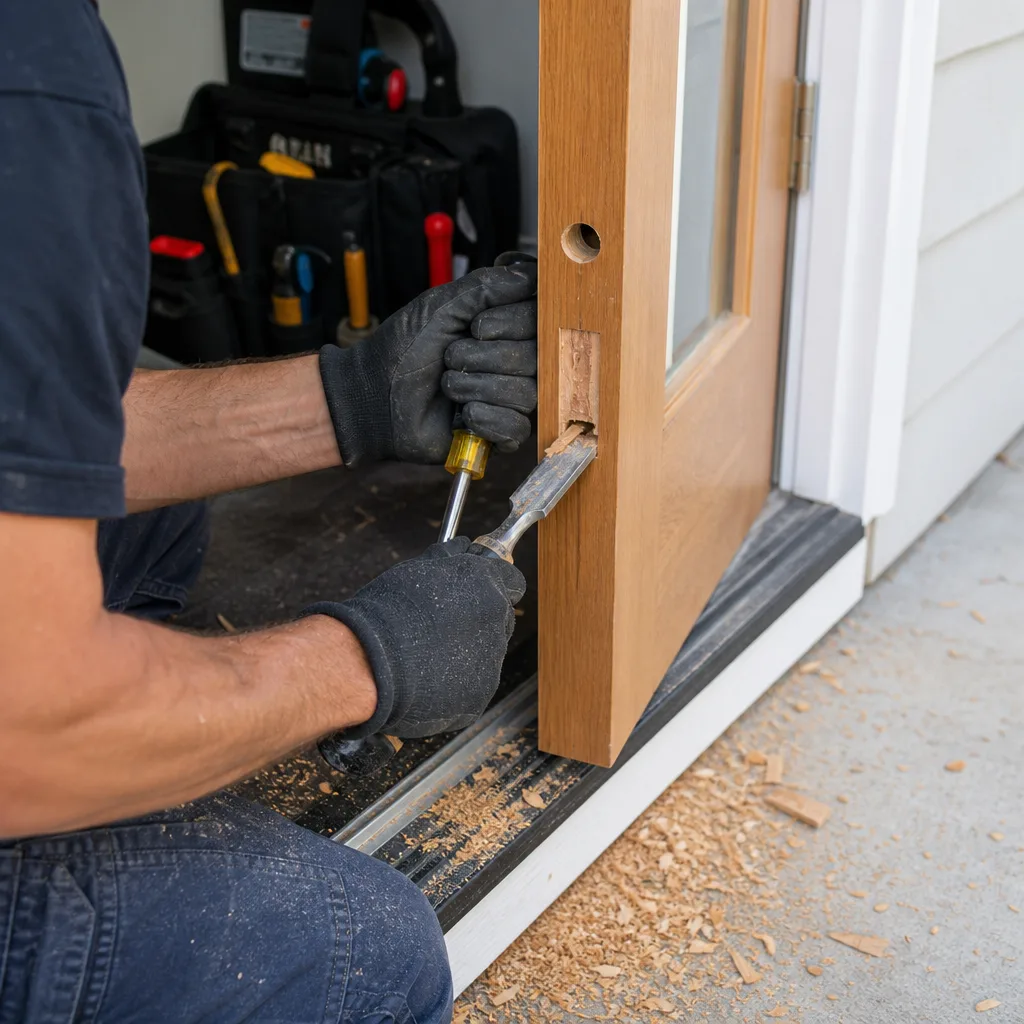
Some maintenance tasks belong to a qualified locksmith. Call a professional when: a cylinder requires rekeying or replacement; a mortise lock body needs removal and internal service; an exit device fails the dogging or release test; Title 24 compliance requires hardware modification; a master key audit reveals unaccounted keys; or any failure involves fire-rated or high-security hardware where warranty and listing must be preserved.
Novak Lock & Security San Jose offers free estimates for commercial maintenance programs. For The Complete Guide to Locksmith in San Jose, see our companion resource. We’ll inspect your property, deliver a written scope and flat per-lock pricing, and establish a quarterly schedule with documented reports. Call (669) 201-7095. The price quoted on the phone is the price on the invoice - Haven Standard Clause 1, in effect since 2002.
Frequently Asked Questions
Quarterly maintenance programs for San Jose commercial properties typically run $45-$85 per door per visit for standard cylindrical hardware, $85-$150 for mortise locks, and $120-$200 for exit devices with electric integration. These are flat per-lock prices, quoted in writing before any work starts, with no call-out surcharge added. Call (669) 201-7095 for an exact quote based on your door count and hardware types - estimates are free.
Yes. Haven Standard Clause 1 states that the dispatcher quotes a firm price, and the technician is contractually prohibited from changing it at the door. This rule has been in place since 2002. The price on the phone is the price on the invoice, with no exceptions.
Quarterly, or every 90 days. San Jose’s climate - temperature swings, seasonal moisture, and dust - accelerates wear beyond what annual inspection catches. High-traffic properties should add monthly exit device checks.
The Haven Standard is the quality and documentation framework shared across all ten Haven brands, including Novak Lock & Security. It specifies written pricing before work starts (Clause 1), background-checked uniformed technicians (Clause 3), documented photo records on every visit (Clause 4), and the 365-Day Done Right Promise (Clause 7). Novak Lock & Security is independently owned and operated and applies this standard to every San Jose job.
No. Graphite is appropriate for mortise lock bodies in controlled quantity, but it performs poorly in dusty environments and can void warranties on some high-security cylinders. Dry Teflon spray is the safer default for most commercial applications. We specify lubricant by hardware category during maintenance visits.
Only when a permit-triggering renovation occurs. However, non-compliant hardware - knob-operated locks, excessive operating force, improper mounting height - should be flagged in maintenance records so you can budget for replacement before a permit application forces emergency action. In San Jose, tenant improvements over $165,000 typically trigger full accessibility compliance.
The Bottom Line
Commercial lock maintenance is facilities management, not emergency response. A quarterly checklist with specific pass/fail criteria catches wear before failure, satisfies insurance and fire code documentation requirements, and controls the cost of hardware replacement through predictable scheduling. In San Jose’s varied commercial building stock, from historic mortise locks to modern access-controlled exit devices, the principle is the same: inspect regularly, document completely, and act on Monitor ratings before they become Fail. For more guides & resources, visit our blog.
Novak Lock & Security San Jose home | 60,000+ locks, keys, and systems installed or serviced since 2002 - every one with a written price before we started and a documented record when we left.
Written by Daniel Novak, Owner at Novak Lock & Security San Jose, serving San Jose since 2002.