
Last updated September 25, 2026
Non-destructive entry first, always - and we re-key Schlage, Kwikset, and Baldwin locks on the spot while you watch
You get a price before we start. It does not change when we arrive. No surprises.
Seasonal Locksmith Care for San Jose: Year-Round Homeowner’s Guide
Lock cylinders in San Jose don’t freeze in January - they seize in August, when dead-dry air pulls lubricant out of pin stacks and thermal expansion from afternoon heat binds deadbolt bolts in their strike boxes. After 60,000+ lock installations and service calls since 2002, we’ve documented a clear pattern: the homeowners who schedule predictable seasonal checks spend roughly 40% less on emergency calls than those who wait for a failure. This guide covers what actually happens to lock hardware in a Northern California Mediterranean climate, season by season, and the specific maintenance steps that prevent the failures we see most often in San Jose neighborhoods from Willow Glen to Almaden Valley. For a broader overview, see our Complete Guide to Locksmith in San Jose.
Quick Answer
Seasonal locksmith care in San Jose means addressing thermal expansion in summer, particulate infiltration during wildfire season, moisture exposure in winter rains, and frame settling after the wet season - with one annual mechanical check of bolt throw engagement depth that predicts most residential deadbolt failures before they occur. Most homeowners need two professional visits per year: a late-spring alignment check and an early-fall cylinder cleaning, with monthly visual inspections in between. Not sure whether to handle checks yourself or call a pro? Our DIY vs Professional Locksmith guide for San Jose homeowners breaks down the decision.
Table of Contents
- Summer: Thermal Expansion and Binding in Metal Frames
- Fall: Wildfire Smoke, Particulate, and Cylinder Contamination
- Winter: Rain, Condensation, and Electronic Lock Exposure
- Spring: Door Frame Settling and Strike Plate Realignment
- The Annual Baseline Check: Bolt Throw Engagement Depth
- What Homeowners Can Check Monthly
- Common Mistakes to Avoid
- When to Call a Professional
- Frequently Asked Questions
Summer: Thermal Expansion and Binding in Metal Frames
August in San Jose routinely brings afternoon temperatures above 90°F, with surface temperatures on south-facing metal doors and frames climbing past 120°F. This is when we field the highest volume of “my key won’t turn” calls in Almaden Valley, Blossom Valley, and other neighborhoods with extensive direct sun exposure.
The mechanism is straightforward but poorly understood. Metal door frames expand measurably in heat - a standard steel frame can lengthen by 1/16 inch across a 36-inch door opening during peak afternoon temperatures. The deadbolt bolt, meanwhile, sits in a brass or steel housing that expands on a different coefficient. When the bolt and strike plate no longer align within tolerance, the key turns against resistance, or the thumb bind binds completely.
We’ve found this failure pattern is especially common on installations from 2015-2020, when many San Jose homeowners upgraded to heavier deadbolts (often Schlage Grade 1 or Medeco high-security cylinders) without upgrading the strike box depth or reinforcing the frame. The stronger bolt meets the same expanded frame - and loses.
What to check in July and August
- Test the lock at 8 AM and again at 4 PM. If resistance appears only in afternoon heat, you have a thermal expansion issue, not a worn cylinder.
- Inspect the strike plate gap. With the door open, extend the deadbolt and sight along the bolt. The gap between bolt face and strike plate should be even top to bottom. A tapered gap indicates frame twist.
- Check for frame paint cracks. At the hinge side and strike side, hairline cracks in exterior paint often precede visible frame movement by one to two seasons.
The correction depends on severity. Minor misalignment (under 1/8 inch) usually requires strike plate adjustment or a deeper strike box. Moderate misalignment may need hinge shim correction to restore square. Severe cases - we see these in older Willow Glen cottages with original wood frames - require frame reinforcement or replacement. In every case, we quote the full repair in writing before dispatch, per Haven Standard Clause 1.
For homeowners with residential locksmith needs in San Jose, we schedule summer alignment checks during morning hours, before thermal expansion peaks, to get accurate baseline measurements.
Fall: Wildfire Smoke, Particulate, and Cylinder Contamination
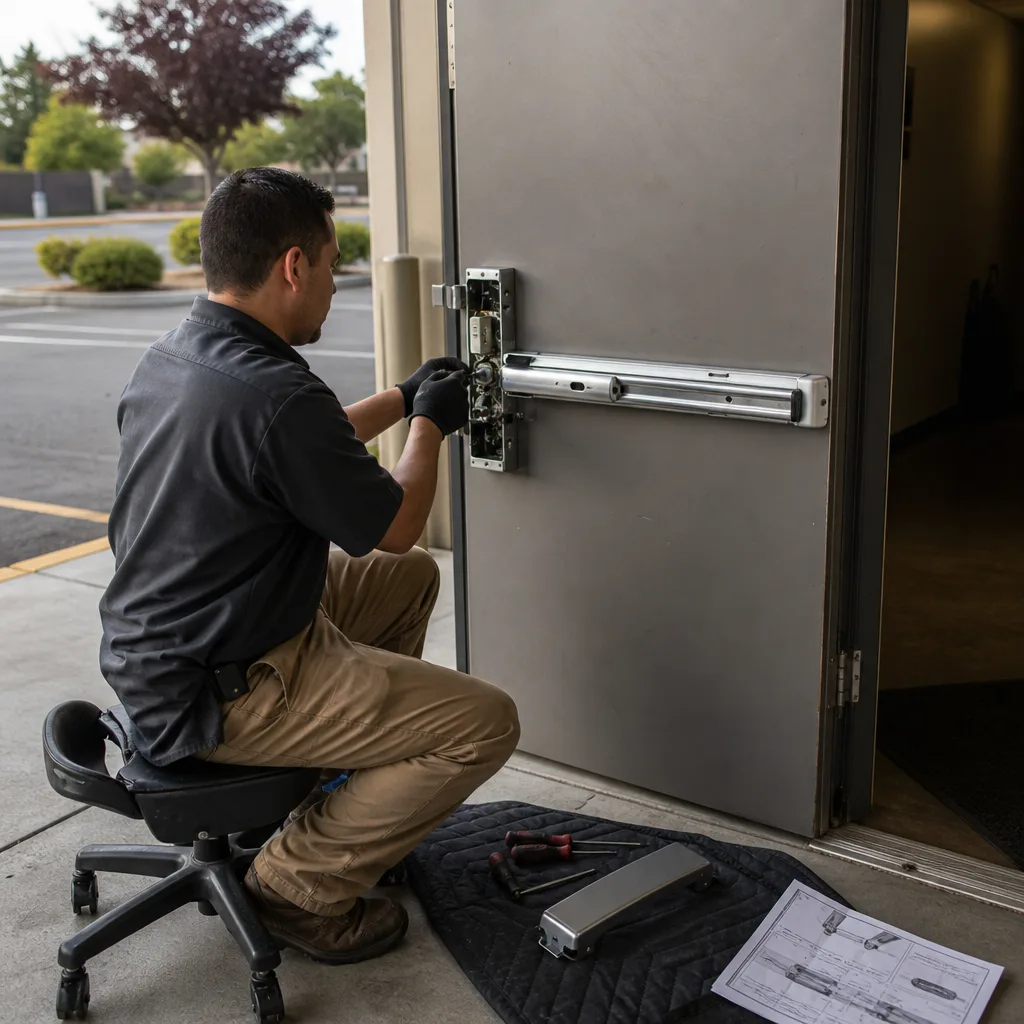
Between August and November, wildfire smoke from Northern California and Oregon fire complexes regularly degrades air quality across Santa Clara County. In October 2020 and September 2022, San Jose recorded AQI readings above 150 for consecutive days. The particulate matter that triggers health advisories also infiltrates exterior lock cylinders - and the damage is cumulative.
Standard pin-tumbler cylinders (the mechanism in most Kwikset, Schlage, and Yale residential locks) operate on precise clearances: the pin stacks must move freely within chambers measured to thousandths of an inch. Wildfire particulate - a mixture of carbon ash, mineral dust, and partially combusted vegetation - is abrasive and hygroscopic, meaning it attracts moisture once inside. Over one season, this creates a paste that accelerates wear on pin surfaces and chamber walls. We’ve disassembled cylinders from San Jose homes that showed two years’ worth of normal wear after a single heavy smoke season.
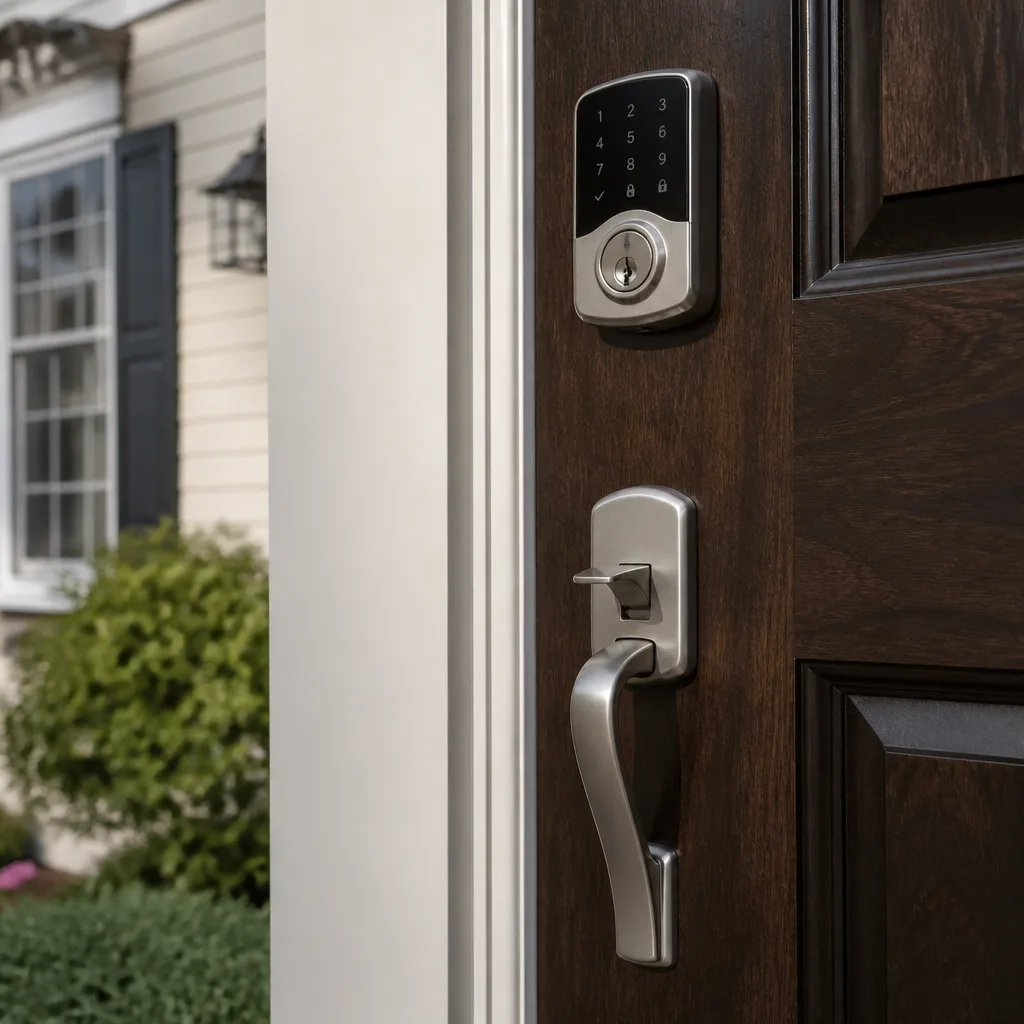
Electronic keypad locks face a related threat. Smoke particles are small enough to penetrate the membrane gaps around buttons, and the oily residue from combustion can coat contact surfaces beneath. We’ve replaced keypad assemblies on units less than three years old where the underlying mechanism was clean but the button matrix had failed from particulate infiltration.
The cleaning protocol we use
- Remove the cylinder or disassemble the lock body. This requires the specific control key for the lock series - not the operating key.
- Flush with non-residue solvent. We use HFE-7100 or equivalent, never WD-40 or graphite on exterior cylinders. Graphite binds with particulate; WD-40 leaves a tacky film that attracts more contamination.
- Inspect pin surfaces under magnification. Scoring or pitting indicates the cylinder has progressed beyond cleaning to replacement.
- Relubricate with specified lubricant. For most residential cylinders, a dry PTFE lubricant or manufacturer-specified oil in precise quantity. Over-lubrication is as damaging as under-lubrication - excess lubricant becomes a particulate trap.
- Document with photo record. Every Novak Lock & Security service includes a documented photo record left with the customer, showing before condition, during service, and reassembled state.
For homes in hillside neighborhoods - Almaden Valley, Evergreen, the eastern slopes - we recommend annual cylinder cleaning regardless of apparent function. The concentration of particulate is measurably higher, and the cost of preventive cleaning ($85-$140 per cylinder, quoted in writing) is substantially below emergency replacement.
Winter: Rain, Condensation, and Electronic Lock Exposure
San Jose’s rainy season runs November through March, with January and February typically delivering 60% of annual precipitation. While freeze-thaw cycles are rare, sustained moisture exposure creates distinct problems for lock hardware - particularly the electronic and smart lock systems that have proliferated in San Jose’s 2015-2025 housing stock.
The issue is less dramatic than frozen locks but more insidious. Condensation forms in door seams during temperature swings: a 45°F morning warming to 65°F by afternoon creates enough differential for moisture accumulation in unsealed cavities. Electronic locks with battery compartments mounted on the interior side are especially vulnerable - the compartment seal, often a simple gasket, degrades with thermal cycling and allows moisture to reach contact terminals.
IP ratings: what they actually mean in practice
Manufacturers advertise IP (Ingress Protection) ratings on smart locks: IP65, IP54, and similar. Here’s what those numbers mean for a San Jose installation:
- First digit (solid particle protection): 5 means “dust protected” - limited ingress permitted. 6 means “dust tight.” For wildfire smoke season, 6 is meaningfully better.
- Second digit (liquid protection): 4 means “protected against water splashing from any direction.” 5 means “protected against water jets.” Neither rating guarantees protection against condensation in sealed cavities, because condensation is not a test condition in the IEC 60529 standard.
We’ve replaced failed Yale and Schlage electronic locks where the exterior keypad functioned perfectly but the interior battery compartment had corroded terminals from condensation - a failure mode the IP rating did not address. The lock was “waterproof” by specification but not condensation-proof in a San Jose winter.
For homeowners with smart locks, we recommend:
- Inspect the battery compartment monthly during rainy season. Look for white or green corrosion on terminals, moisture droplets, or swollen batteries.
- Verify the door seal integrity. Weatherstripping that has compressed or torn allows direct water contact with lock mounting surfaces.
- Check the manufacturer’s condensation guidance. Some units specify silica gel packet replacement intervals - a maintenance step rarely performed.
If you’re considering access control systems in San Jose, we specify sealed mag-lock or electric strike installations for exterior gates and pool enclosures, with IP67-rated readers and dedicated drainage in the mounting box. The hardware cost is 15-20% higher; the replacement cost avoidance over five years is typically 60% or more.
Spring: Door Frame Settling and Strike Plate Realignment
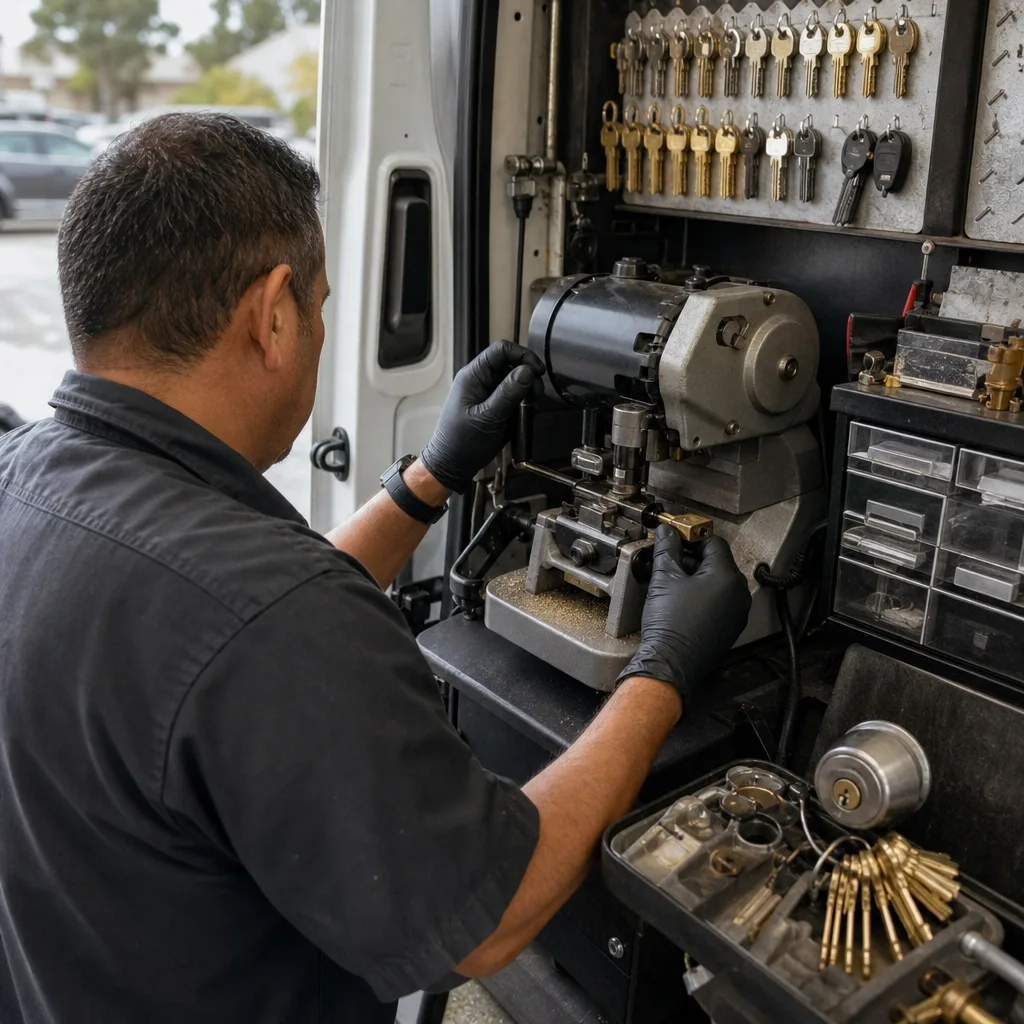
San Jose’s older housing stock - the wood-frame bungalows and ranch homes built 1950-1985 in neighborhoods like Willow Glen, Rose Garden, and Japantown - experiences predictable seasonal frame movement. The winter wet season swells door frames; the spring drying period causes contraction and settling. By April, we see a surge in latch misalignment calls that trace directly to this cycle.
The symptom is familiar: the latch bolt no longer enters the strike plate cleanly, requiring door lift, shove, or handle manipulation to secure. Homeowners often attribute this to latch wear and request replacement. In our experience, 70% of these cases require strike plate adjustment or frame correction, not new hardware. We diagnose before we quote - Haven Standard Clause 1 requires it - but the pattern is consistent enough that we now ask season-specific questions on intake.
Spring inspection checklist for older San Jose homes
- Check latch engagement depth. With the door closed, mark the latch bolt with a pencil where it meets the strike plate. Open the door and measure exposed bolt. Minimum 1/2 inch engagement for Grade 2 locks; 3/4 inch for Grade 1. Less indicates the door has settled away from the strike.
- Inspect the strike plate screws. Original installations often use 3/4-inch screws that engage only the door jamb, not the framing behind. Spring settling pulls these screws loose; the plate tilts, and engagement degrades. We replace with 2-1/2 to 3-inch structural screws as standard.
- Look for frame separation at the header. In wood-frame construction, the gap between door frame header and rough opening may open seasonally. A gap wider than 1/8 inch that appeared since fall indicates structural movement, not hardware wear.
For homes with visible settling, we document the condition with our standard photo record and provide a written scope that distinguishes immediate correction (strike adjustment, screw replacement) from monitoring (frame stabilization, potential structural referral). The 365-Day Done Right Promise applies to all installation work - if the adjustment doesn’t hold through the next seasonal cycle, we return at no charge.
Commercial properties face amplified versions of these issues. Multi-tenant buildings with high traffic volume experience accelerated hardware wear combined with frame stress. Our commercial locksmith services in San Jose include spring alignment surveys for property managers, with per-unit pricing quoted in writing before any work begins.
The Annual Baseline Check: Bolt Throw Engagement Depth
There is one mechanical measurement that predicts most residential deadbolt failures before they happen: bolt throw engagement depth. This is the distance the deadbolt bolt extends into the strike box or frame when fully thrown. It is simple to check, rarely checked by homeowners, and the single most common deficiency we find on service calls.
The measurement standard is clear: ANSI/BHMA Grade 1 deadbolts require 1 inch minimum throw; Grade 2 requires 3/4 inch. But the critical number is not the bolt extension - it’s the engaged depth in solid material. A 1-inch bolt that extends into a hollow aluminum frame or a shallow strike box may have only 3/8 inch of actual engagement. That is a security failure, not a specification success.
How to measure bolt throw engagement
- Extend the deadbolt with the door open. Measure the exposed bolt length with a tape measure or ruler. This is the nominal throw.
- Close the door and extend the deadbolt. Mark the bolt face with tape or a pencil mark at the strike plate edge.
- Open the door without retracting the bolt. Measure from your mark to the bolt tip. This is engaged depth - the number that matters.
- Inspect the strike box. Remove the strike plate if necessary. The box should be steel, recessed into the frame, with depth equal to or greater than engaged depth. Wood frame alone, without a metal box, does not provide adequate resistance to forced entry.
In San Jose, we find deficient engagement most often in three scenarios: original 1950s-1970s installations with shallow strike mortises; DIY deadbolt upgrades where the homeowner installed a longer bolt in the existing shallow preparation; and post-remodel situations where new doors were hung in original frames without strike box upgrading.
The correction is straightforward but requires specific tools: a strike mortiser or router with guide, proper depth and setback measurements, and a steel strike box sized to the bolt. We quote this work at $140-$220 per door, including hardware, with the full price in writing before dispatch. For homes with multiple deficient doors, we price sequentially - complete the first, verify satisfaction, then proceed. No bundled pressure, no scope expansion at the door.
This check, performed annually in April or May after the wet season settling cycle, catches the alignment issues that summer thermal expansion will later amplify.
What Homeowners Can Check Monthly
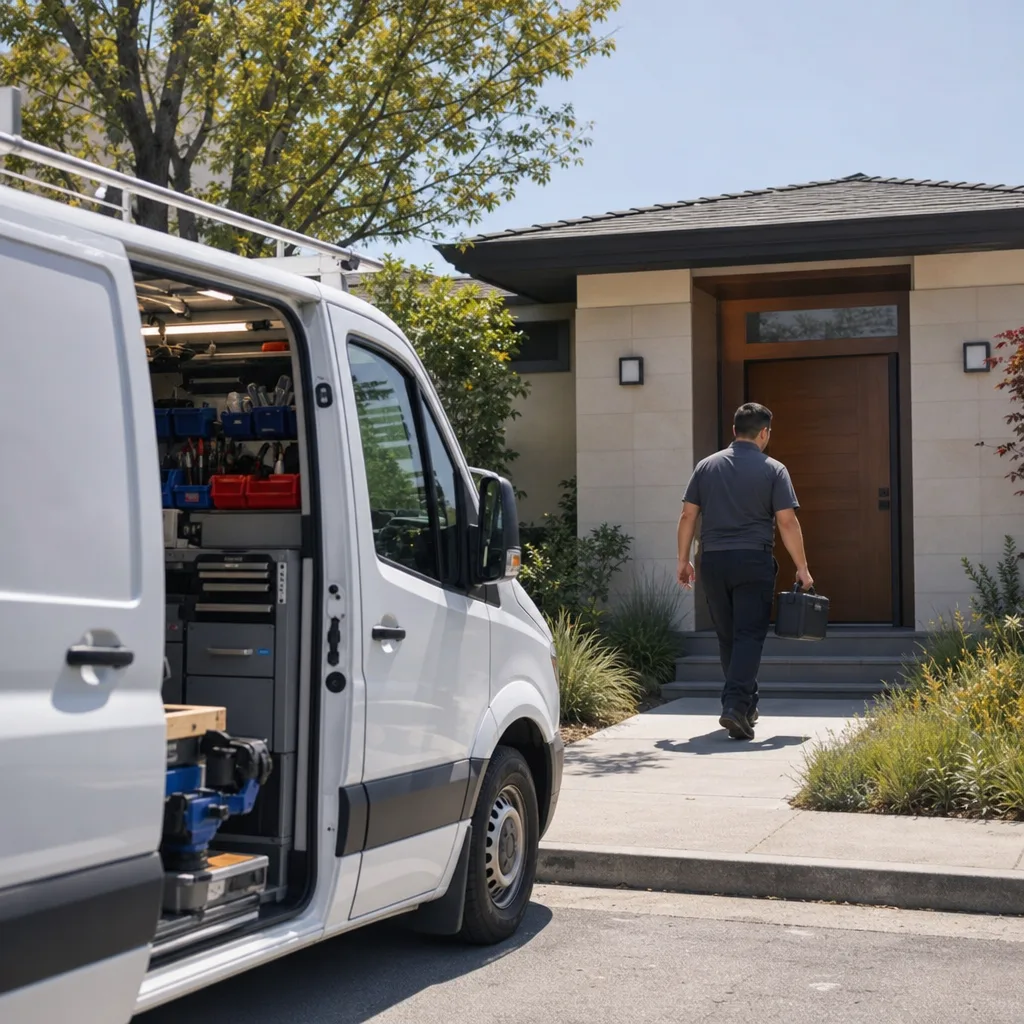
Between professional visits, there are specific observations that identify developing problems. We do not recommend DIY repair of high-security cylinders, electronic locks, or frame structural issues - the risk of converting a minor problem into a security compromise is real. But monthly visual and operational checks provide early warning.
- Key insertion resistance. A key that suddenly requires more force, or that must be jiggled to engage pins, indicates cylinder contamination or pin wear. Do not force - this shears pins and converts a $85 cleaning into a $240 cylinder replacement.
- Bolt throw sound change. A deadbolt that previously threw with a solid “clack” and now sounds muted or grinding has alignment or lubrication issues. The acoustic change precedes functional failure by weeks.
- Door gap consistency. Close the door and check the gap between door edge and frame at top, middle, and bottom. Variation exceeding 1/8 inch indicates frame movement or hinge wear that will affect lock function.
- Electronic lock battery level. Most smart locks provide low-battery warning at 20% remaining. Replace immediately - delayed replacement leads to emergency lockout when the battery fails mid-cycle, often with the bolt in an intermediate position.
- Exterior cylinder appearance. Corrosion, pitting, or discoloration on the cylinder face indicates moisture infiltration or material degradation. Brass should be uniform gold; nickel silver should be uniform grey. Spots or streaks are early warnings.
For homeowners who want documented confirmation, we offer a $65 annual inspection - bolt throw measurement, cylinder function test, electronic lock battery and seal check, and written condition report with photo record. The fee is credited in full against any repair or replacement work scheduled within 60 days.
Common Mistakes to Avoid
- Using graphite on exterior cylinders. Graphite was standard advice for decades, but in San Jose’s particulate environment, it binds with dust and smoke particles to form an abrasive paste. We remove more failed graphite lubrication than any other single cause.
- Ignoring morning-only key resistance. A lock that works fine all day but binds in early morning often indicates overnight moisture condensation in the cylinder - a warning that seal degradation is progressing toward electronic or mechanical failure.
- Replacing hardware before diagnosing frame movement. We’ve found new deadbolts installed in settled frames where the real problem was 1/4 inch of frame drop - the new hardware failed identically within months, and the homeowner paid twice.
- Assuming IP ratings cover all moisture exposure. IP65 does not mean “waterproof in all conditions.” It means waterproof under specific test conditions. Condensation, steam, and directed spray from pressure washers are not those conditions.
- Waiting for complete failure before calling. Emergency service rates apply after hours and on weekends. A binding lock on Tuesday morning becomes an emergency lockout on Saturday evening. The pattern is predictable enough that we can usually quote preventive maintenance below the cost of one emergency call.
- Using spray lubricants with silicone or Teflon without checking lock manufacturer specifications. Some modern high-security cylinders (Medeco, Mul-T-Lock, Abloy) specify lubricants by brand and type. Incorrect lubricant voids warranty and can damage sidebar or rotating disc mechanisms.
When to Call a Professional
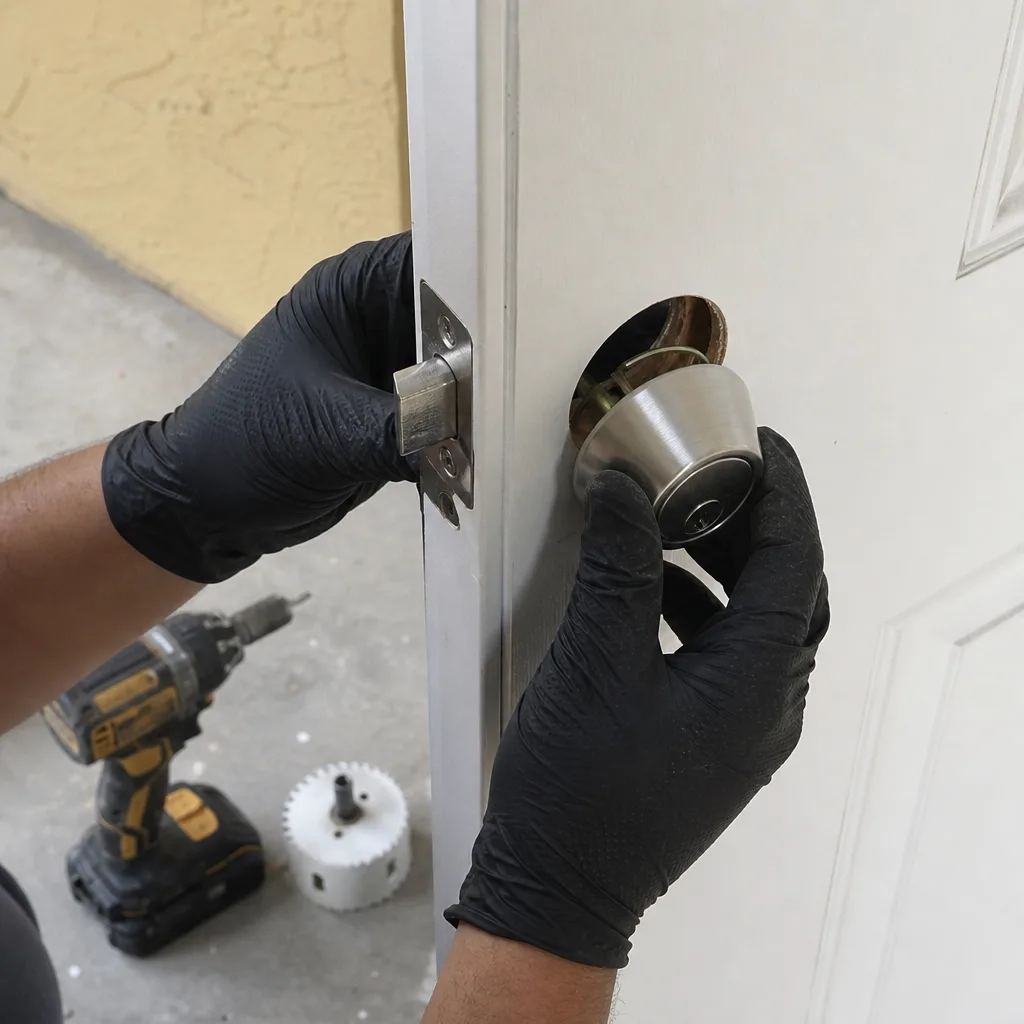
Call when you observe any of the following: key resistance that is increasing week over week, bolt throw that requires shoulder pressure or door manipulation, electronic lock error codes that persist after battery replacement, or any lock that has been exposed to forced entry attempt. These are not maintenance items - they are security-compromised conditions that require professional assessment and documented repair.
We also recommend professional evaluation before any hardware upgrade in homes built before 1990. Original frame preparations, strike box depths, and door edge reinforcement in San Jose’s older housing stock rarely meet current Grade 1 specifications without modification. Installing premium hardware (Medeco, Mul-T-Lock, Abloy) in unprepared frames wastes the security investment and may accelerate frame degradation.
Novak Lock & Security San Jose offers free estimates for all residential and commercial lock services. We’ll assess your specific conditions, measure bolt throw engagement, and provide a written scope with firm pricing before any work begins. Call (669) 201-7095 to schedule - calls are answered by a live person, 24/7.
Frequently Asked Questions
Annual preventive maintenance for a typical San Jose home runs $180-$340, covering two seasonal visits: a spring alignment and bolt-throw check, plus a fall cylinder cleaning and lubrication. For a detailed task breakdown, see our Commercial Locksmith Maintenance Checklist for San Jose Homeowners. Per-service pricing is $85-$140 for cylinder cleaning, $140-$220 for strike box upgrade or frame correction, all quoted in writing before dispatch. Emergency service outside these scheduled visits carries additional trip charge. Call (669) 201-7095 for exact pricing on your specific hardware - estimates are free.
Yes. Haven Standard Clause 1 states: the price quoted by the dispatcher is the price on the invoice, and the technician is contractually prohibited from changing it at the door. This rule has been in place since 2002. The only exception is if the customer requests additional work after the technician arrives - in which case a new written quote is provided before that work begins.
Our emergency response time in San Jose averages 25-40 minutes during business hours, 35-55 minutes overnight, depending on traffic and your specific neighborhood. Almaden Valley and Evergreen may run toward the longer end; downtown, Willow Glen, and Rose Garden toward the shorter. Calls are answered by a live person - no voicemail queue, no callback window.
Smart locks fail differently, not necessarily more often. Mechanical cylinders fail from wear and contamination over 10-20 years. Electronic locks fail from battery corrosion, moisture infiltration, or firmware issues in 3-7 years - but they provide audit trails and remote access that mechanical locks cannot. The key factor is whether the specific model’s IP rating and seal design match your door’s exposure. We assess this before recommending any installation.
You can flush visible exterior contamination with compressed air, but we do not recommend disassembling pin-tumbler cylinders without proper tools and control keys. Incorrect reassembly creates security vulnerabilities - pins installed in wrong order or wrong orientation may allow multiple keys to operate the lock, or prevent your own key from working. Professional cylinder cleaning includes magnification inspection of pin surfaces and documented reassembly verification.
Measure engaged depth, not just bolt length. With the door closed and deadbolt extended, mark the bolt at the strike plate edge, then open the door and measure from mark to tip. You need 3/4 inch minimum for Grade 2 locks, 1 inch for Grade 1, in solid material - steel strike box or structural framing, not just wood jamb. If you measure less, or if the strike box is absent or shallow, the installation does not provide the security the lock rating implies. We provide this measurement as part of any service call, with photo documentation.
The Bottom Line
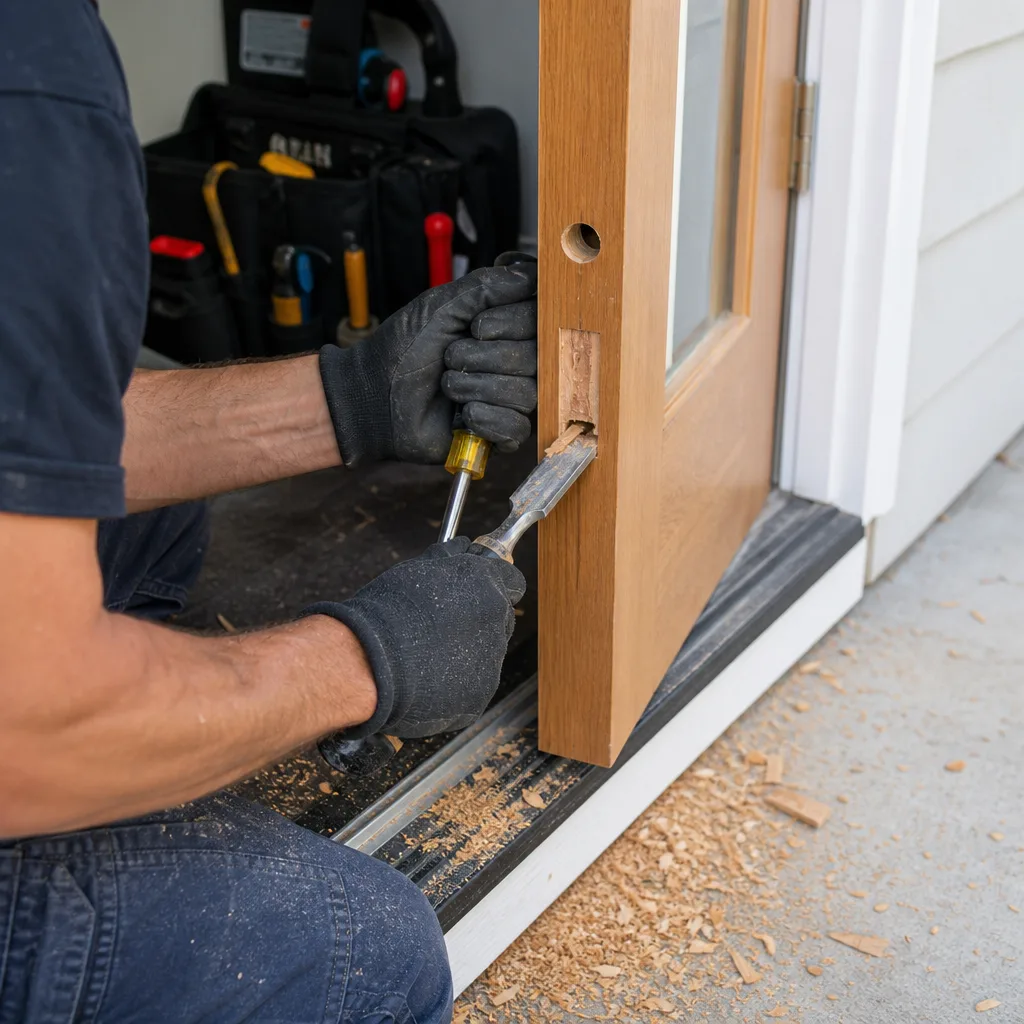
San Jose’s Mediterranean climate creates a distinct wear pattern for lock hardware: thermal expansion in summer, particulate infiltration in fall, moisture exposure in winter, and frame settling in spring. The homeowners who avoid emergency calls are not those with the most expensive locks - they’re those who perform the annual bolt throw engagement check and schedule seasonal maintenance before symptoms become failures. Two professional visits per year, plus monthly visual inspection, typically cost less than one after-hours emergency call and preserve both security function and hardware warranty. For more guides & resources, visit our blog, or for a free estimate on seasonal maintenance or any lock concern, call Novak Lock & Security San Jose at (669) 201-7095 - answered live, 24/7, with firm pricing in writing before any work begins.
Written by Daniel Novak, Owner at Novak Lock & Security San Jose, serving San Jose since 2002.